"Virgin Hair" is one of the most widely searched terms in the global alternative hair industry, yet its definition is frequently distorted across commercial channels. Wholesalers, salon owners, and private-label brand directors often order products labeled as "virgin," only to receive hair that has been acid-washed, steam-altered, or coated with temporary industrial silicones to mimic a healthy luster.
Sourcing sub-standard hair labeled as "virgin" leads to severe operational friction: uneven color lift during salon processing, post-wash matting, excessive shedding, and damaged client trust. For enterprise buyers, understanding what virgin human hair truly represents—and how its structural profile compares to Raw Hair and Remy Hair—is essential to building a secure, high-quality inventory pipeline.
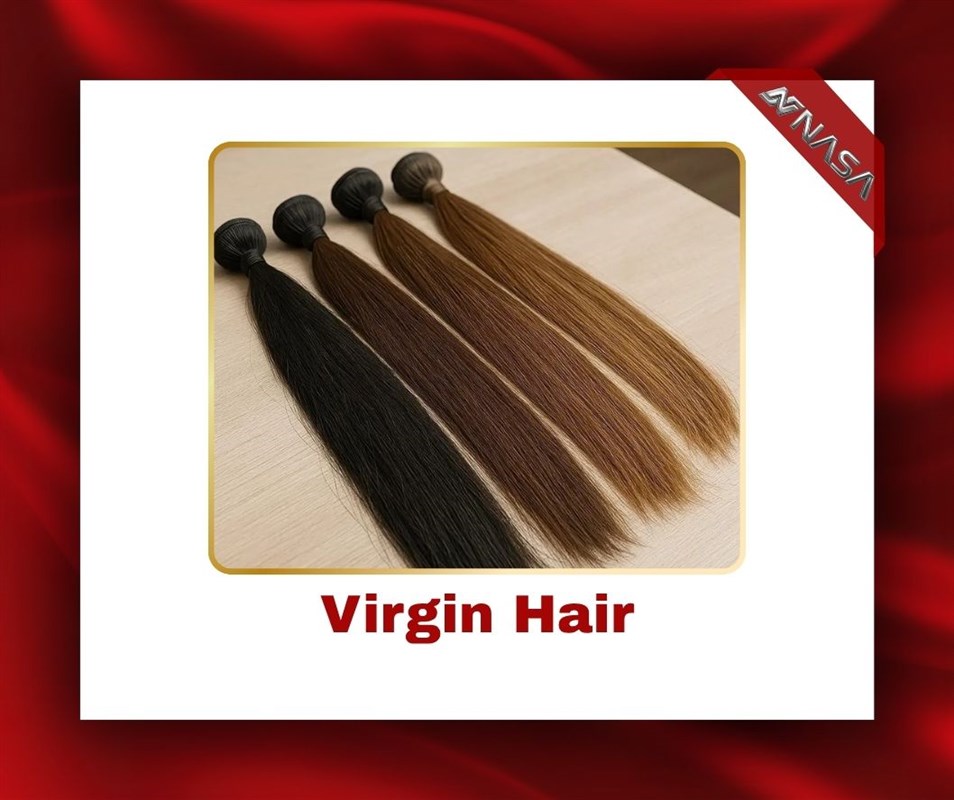
Virgin Hair refers to human hair that retains its natural condition and has not been chemically treated with dyes, bleach, perms, or harsh relaxers before or during manufacturing. Sourced directly from human donors, it retains its natural cuticle structure, lipid moisture barrier, and native color spectrum (typically ranging from natural black to deep espresso brown).
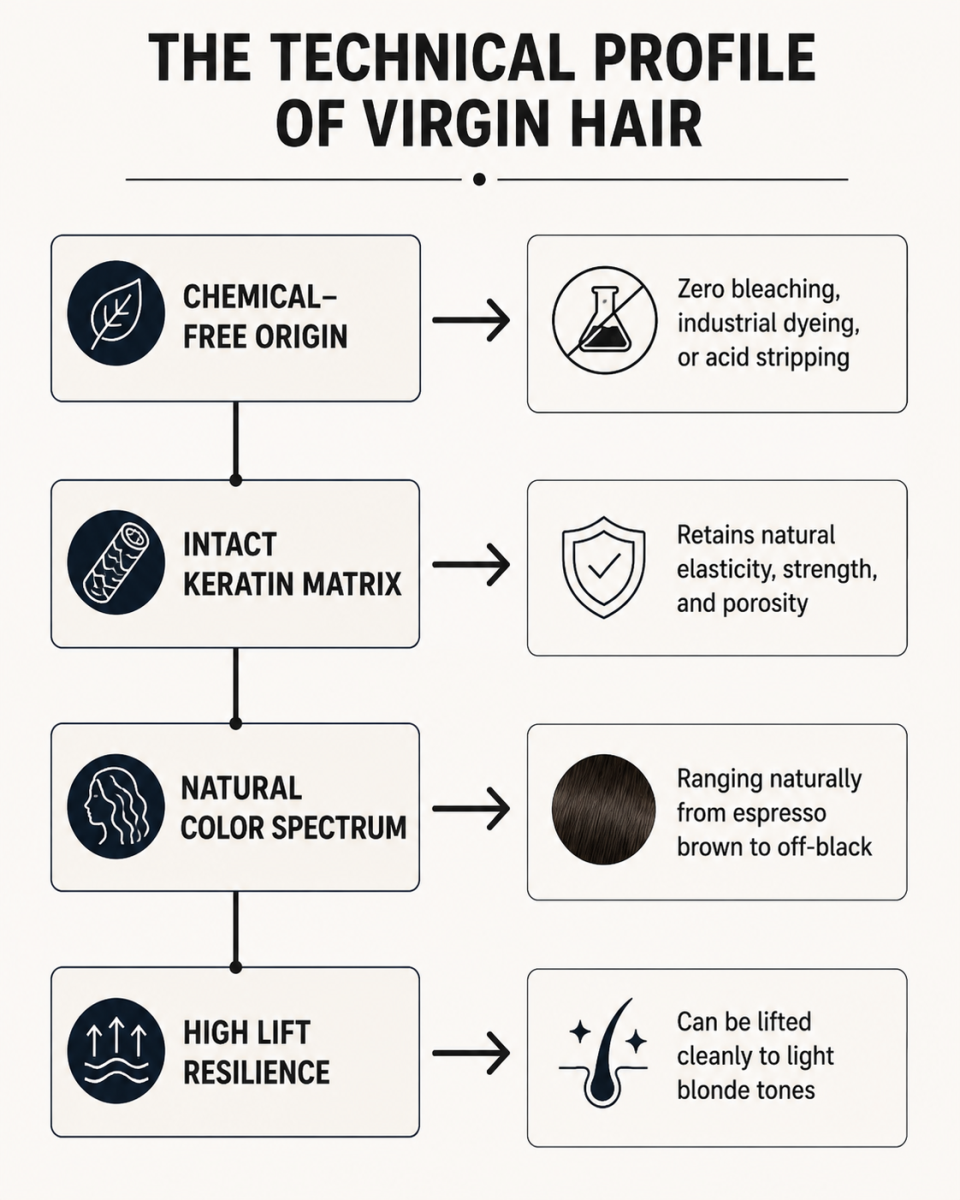
Because true virgin hair bundles enter the factory free from chemical oxidation, the hair's internal cortex remains intact. This structural purity allows the extensions to behave like living hair—responding predictably to thermal styling, environmental humidity, and professional coloring treatments.
.jpg)
Producing genuine virgin hair extensions requires strict, non-destructive handling protocols from initial donor collection to final quality inspection.
The hair is harvested by securing single-donor ponytails with tight bands before cutting. This preserves the natural root-to-tip alignment of every strand, preventing cuticle inversion during downstream processing.
Once brought to the factory, the raw ponytails undergo gentle washing using organic, pH-balanced cleansing formulas. This removes environmental dust and natural oils without stripping the hair’s underlying lipid layer or altering its internal disulfide bonds.
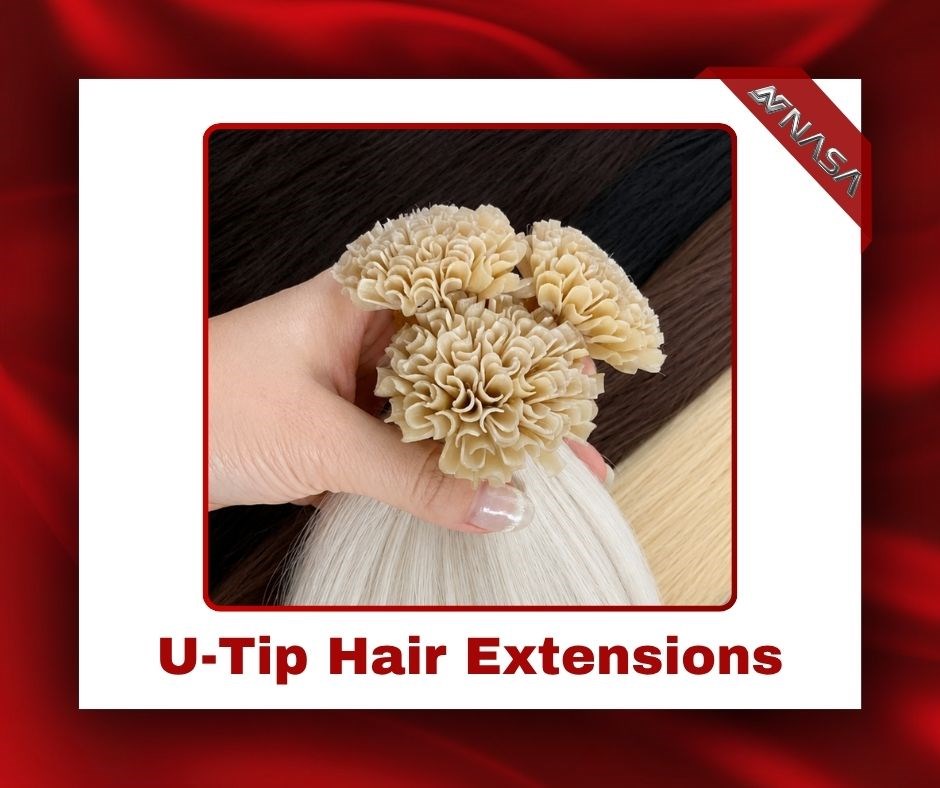
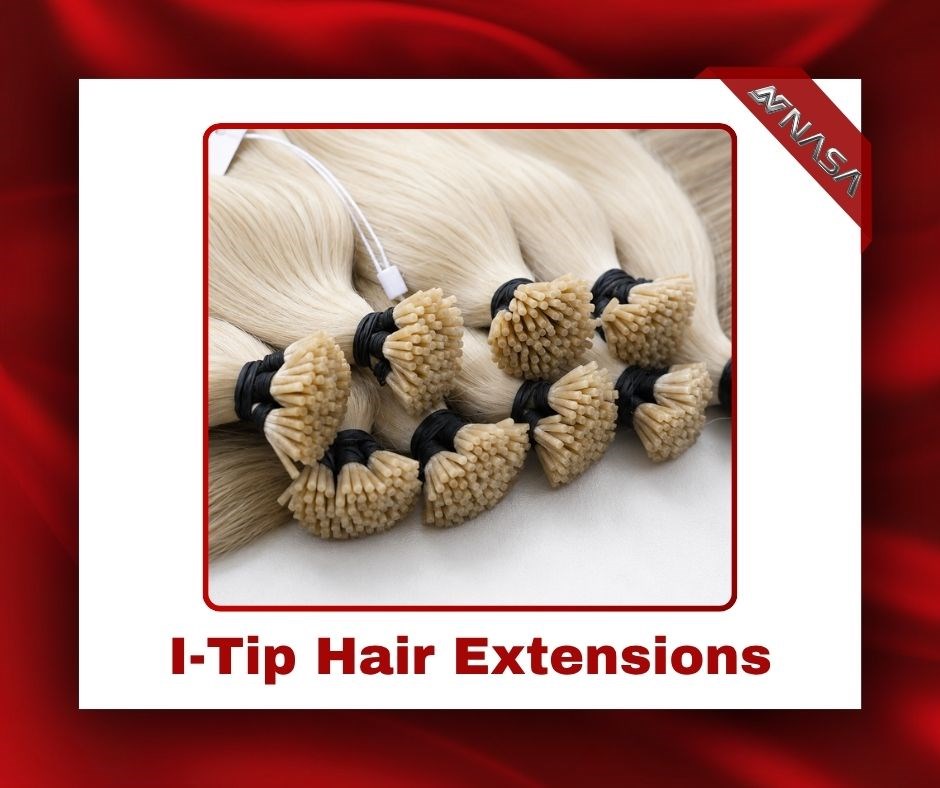
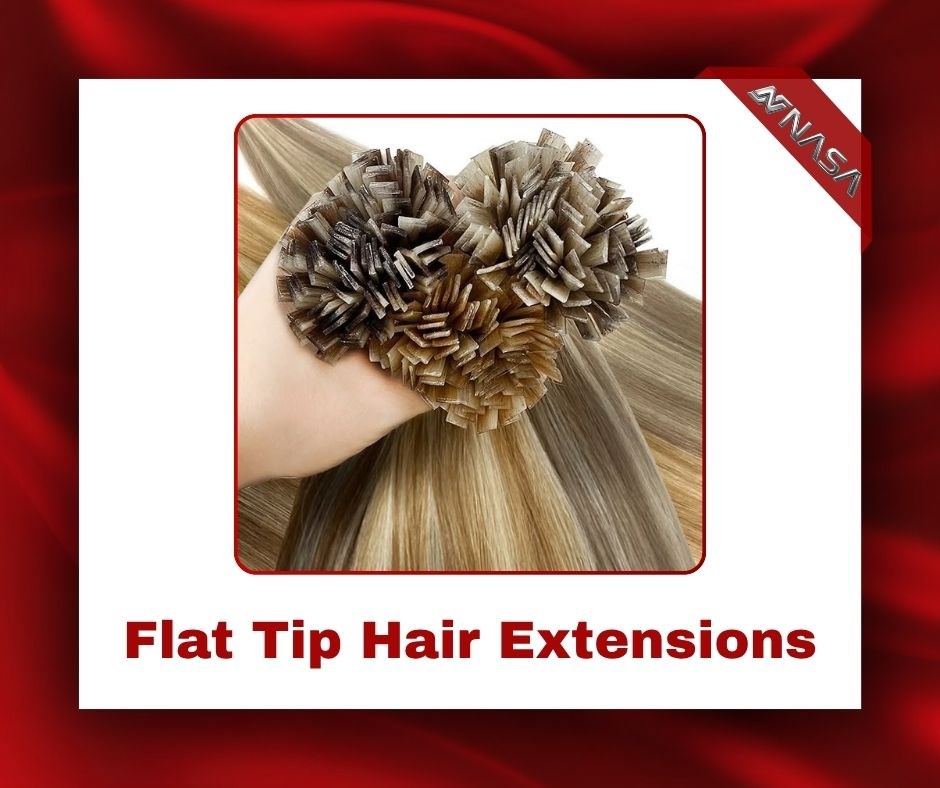
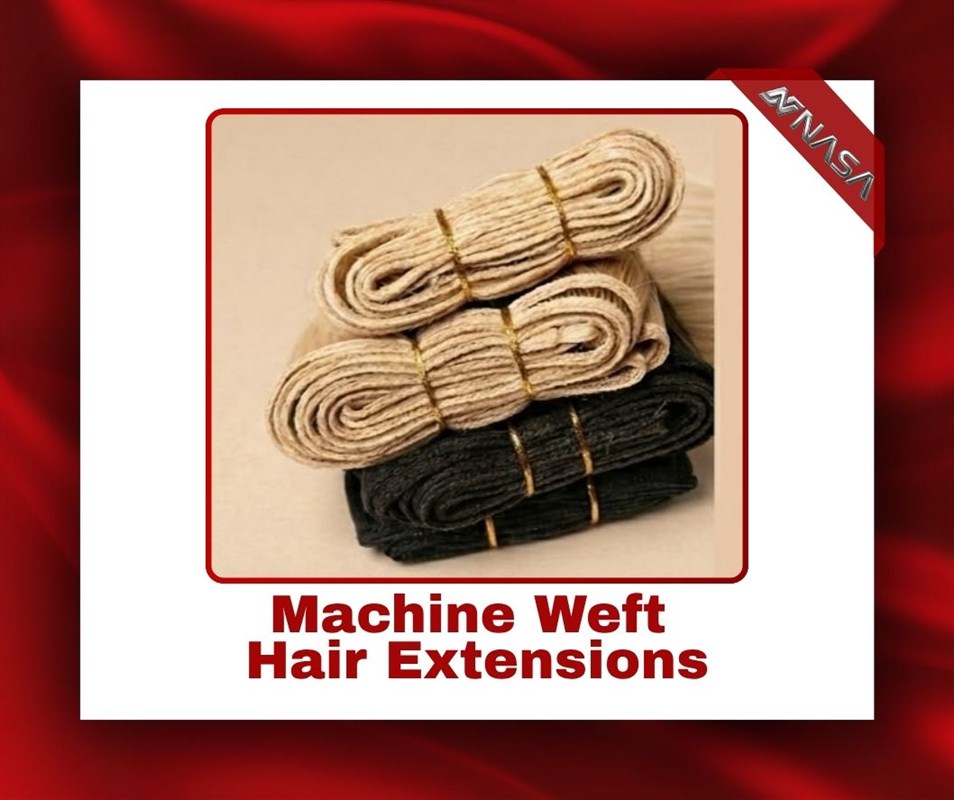
Technicians comb the hair through heavy metal hackling boards to remove short filler strands and align the cuticles unidirectionally. The hair is then weight-calibrated into 100-gram bundles or prepared for specialized tracking architectures, such as machine wefts, tape-ins, or pre-bonded tips.
.png)
Unprocessed virgin hair is rarely a flat, jet-black shade. Most bundles display a natural spectrum ranging from off-black to dark espresso brown, often showing subtle, natural sun-lightened undertones near the tips.
True virgin hair reflects the natural texture of its donor. Whether naturally straight or gợn sóng (softly wavy), the hair moves fluidly without feeling stiff, coated, or artificially slick.
The outer scale-like cuticles remain intact and oriented in a single direction from root to tip. This unidirectional alignment eliminates fiber friction, preventing the severe matting common in lower-tier non-Remy hair.
Because the internal keratin matrix is undamaged, genuine virgin hair can withstand oxidative bleaching and custom salon coloring while retaining its structural strength, elasticity, and shine.
Expert Insight: Minor variations in shade or wave pattern between bundles are natural indicators of genuine virgin hair. Perfect color uniformity across hundreds of bulk bundles often signals industrial batch-dyeing or chemical standardization.
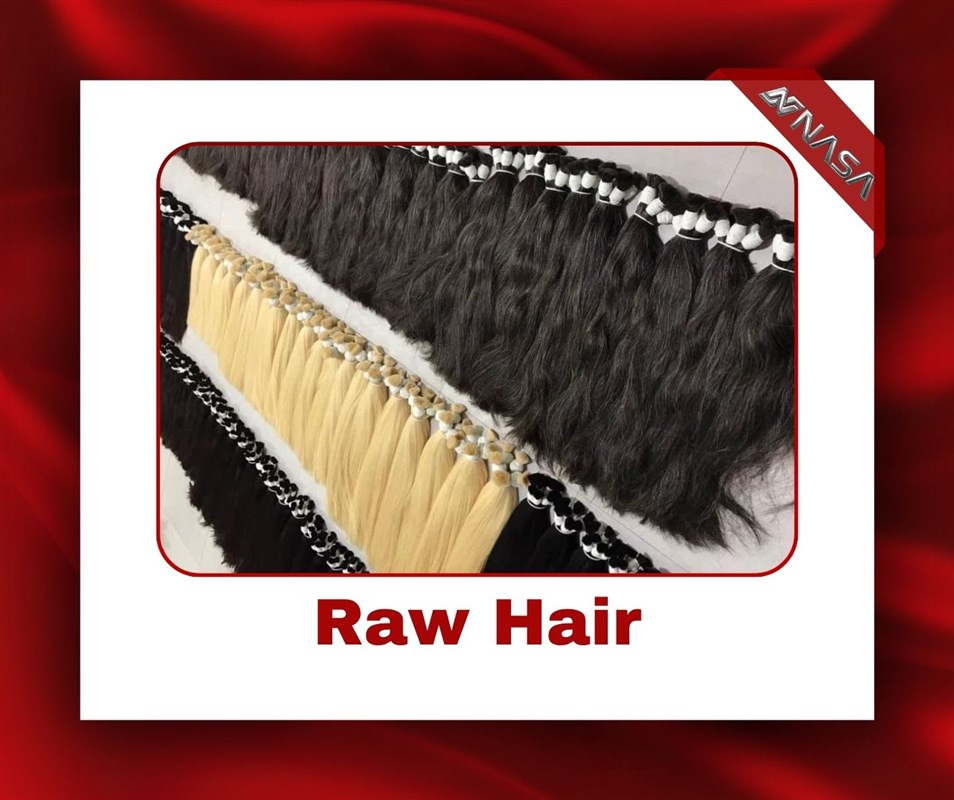
The terms "Virgin Hair" and "Raw Hair" are closely related, but their commercial definitions vary across regional markets and individual factories. Understanding how a virgin hair supplier defines these categories is essential for accurate procurement.
|
|
|
|
|
|
|
|
|
|
|
|
|
|
|
|
|
|
|
|
|
|
|
|
In many commercial markets, "Virgin Hair" refers to chemically unprocessed hair that may undergo low-temperature steam processing to create uniform curl patterns (such as body wave, deep wave, or kinky curl). "Raw Hair" typically denotes hair that has bypassed steam-shaping entirely, remaining in its exact organic state. Because these definitions fluctuate between suppliers, buyers should always ask for exact factory processing specs rather than relying on labels alone.
To evaluate product quality accurately, buyers must distinguish between chemical history and physical cuticle alignment:
High-grade virgin remy hair represents the ideal combination: completely free from chemical alteration and 100% cuticle-aligned. However, hair can be Remy without being Virgin if it has been factory-dyed or acid-treated while maintaining its cuticle orientation.
Yes. One of the primary commercial advantages of virgin human hair is its ability to undergo oxidative bleaching and coloring while maintaining structural integrity. Because the hair’s internal keratin matrix has never been compromised by factory dyes, colorists can achieve clean lifts and vibrant custom tones.
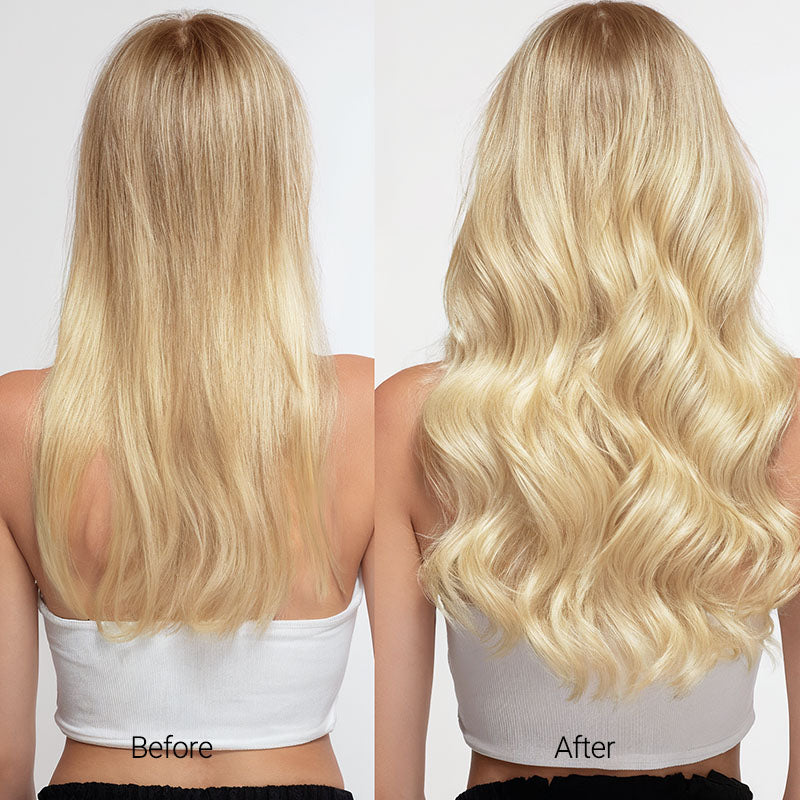
However, chemical processing still alters the hair shaft. Even genuine virgin hair requires low-and-slow oxidation (using 20-volume or 30-volume developers) rather than aggressive, high-heat bleaching to protect its long-term elasticity and prevent porosity damage.
While single-donor ponytails provide high texture consistency, virgin hair can also be ethically curated from multiple donors, provided all hair remains chemically unprocessed and strictly cuticle-aligned.
All human hair extensions experience minor shedding during brushing. While intact cuticles prevent friction-induced matting, improper weft construction, harsh handling, or a lack of moisture can still cause mechanical shedding.
Price alone does not guarantee authenticity. Independent brokers often mark up heavily processed Remy hair to match virgin market pricing. Verifying factory infrastructure and internal quality control protocols is far more reliable than relying on price alone.
Before committing capital to a wholesale virgin hair vendor, ensure your procurement team conducts these hands-on evaluation tests:
.jpg)
Because extensions do not receive natural oils from the scalp, proper hydration and gentle handling are essential to maintain their health:
In the international B2B hair ecosystem, vietnamese virgin hair is widely recognized for its exceptional structural performance and biological purity.
Vietnamese human hair possesses a naturally thick, round cortical cross-section rich in organic keratin proteins. This robust internal structure gives the hair natural weight, a fluid drape, and high tensile strength.
Additionally, because donors in temperate, high-altitude regions maintain traditional, chemical-free care routines, the hair's lipid moisture barrier remains intact. This provides a virgin hair supplier with an ideal base material capable of lifting cleanly to Level 10 platinum blonde while maintaining multi-year structural integrity under daily wear.
Selecting a long-term production partner requires auditing factory infrastructure and quality control protocols against a standardized verification checklist:
Before placing a bulk order, require prospective suppliers to answer these technical procurement questions:
Virgin Hair refers to 100% human hair that has never undergone chemical processing—such as bleaching, industrial dyeing, perming, or acid baths—and retains its natural cuticle structure.
Not always. While both are chemically unprocessed, "Virgin Hair" in commercial markets may undergo low-temperature steam processing to create uniform curl patterns. "Raw Hair" typically denotes hair that has bypassed steam-shaping entirely, remaining in its exact organic donor state.
High-grade virgin hair is almost always Remy hair because it is harvested in aligned ponytails. However, hair can be Remy without being Virgin if it has been factory-dyed or acid-treated while maintaining its cuticle orientation.
Yes. Because the hair's internal keratin structure has never been compromised by factory chemicals, genuine virgin hair can be safely lifted to a clean Level 10 platinum blonde while maintaining its elasticity and softness.
When cared for properly with hydrating shampoos, heat protectants, and protective night routines, genuine virgin hair easily lasts between 1 to 3+ years of continuous wear and reinstallation.
Execute a clarifying wash test to check for hidden silicone glazes, perform a strand burn test to verify 100% human hair purity, and check for natural cuticle resistance by sliding your fingers up the hair shaft.
Wholesale buyers should partner directly with asset-owning manufacturers in Vietnam, such as NASA Hair, that provide complete factory transparency, live video verification, and direct-factory pricing.
Virgin Hair remains one of the most sought-after categories in the international alternative hair industry, offering an optimal combination of biological purity, styling versatility, and long-term durability. For luxury salons, stylists, and global hair brands, moving past generic marketing labels and partnering with an asset-owning manufacturer ensures predictable batch consistency, protects brand equity, and secures long-term business growth.
Operating as an established manufacturing force in the Southeast Asian hair sector, NASA Hair specializes in producing premium, 100% authentic Vietnamese human hair extensions. By maintaining complete factory-floor transparency and implementing strict multi-tiered quality control checks, we provide professional buyers with the consistent quality needed to scale their businesses with absolute confidence.
+84347071123
 French
 Russian