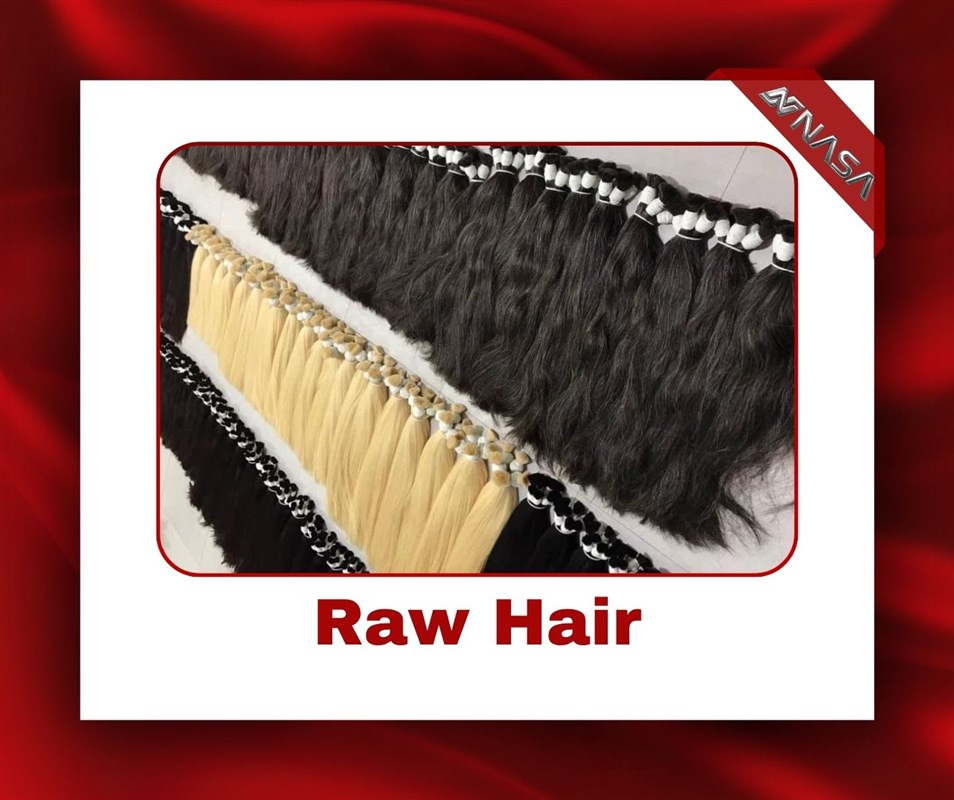
Completely Unaltered Biological State: Raw Hair refers strictly to human hair that has never undergone any chemical processing, such as dyeing, perming, relaxing, or heavy acid washing.
100% Unidirectional Cuticle Alignment: High-quality raw human hair retains its natural, unidirectional cuticle scales, which drastically reduces friction, prevents severe tangling, and ensures long-term structural integrity.
Biological Variations Are Quality Markers: Genuine raw hair bundles display subtle variations in natural color tone and wave patterns from bundle to bundle, reflecting the unique organic profile of individual human donors.
Essential Sourcing Transparency: Because marketing labels like "raw" and "virgin" are used inconsistently across global markets, buyers must verify a supplier's internal quality control frameworks and raw material traceability.
High ROI for Professional Salons: Raw hair extensions and raw hair wigs are the preferred choice for celebrity stylists, color specialists, and wholesale distributors who require maximum durability and lifting resilience up to Level 10 platinum blonde.
Many suppliers advertise their products as raw hair, yet the term is frequently applied inconsistently across the global alternative hair marketplace. Wholesalers, salon owners, and private-label brand managers often order inventory labeled as "raw," only to receive hair that has undergone aggressive acid baths, light chemical steaming, or blending with lower-grade synthetic or non-Remy scrap fibers.
For hair enterprise owners, misunderstanding the precise technical classification of raw human hair can lead to unstable inventory quality, high customer return rates, and long-term damage to brand equity. Distinguishing true, unaltered raw material from heavily processed alternatives is essential when auditing a raw hair supplier and building a sustainable, high-margin product catalog.
Raw Hair refers strictly to human hair that remains in its complete natural state, harvested directly from voluntary human donors without undergoing any chemical alteration, thermal steam styling, or industrial acid treatment. Depending on the donor's natural biological profile and the factory's handling practices, true raw hair preserves its native texture, natural color variation, and intact cuticle alignment.
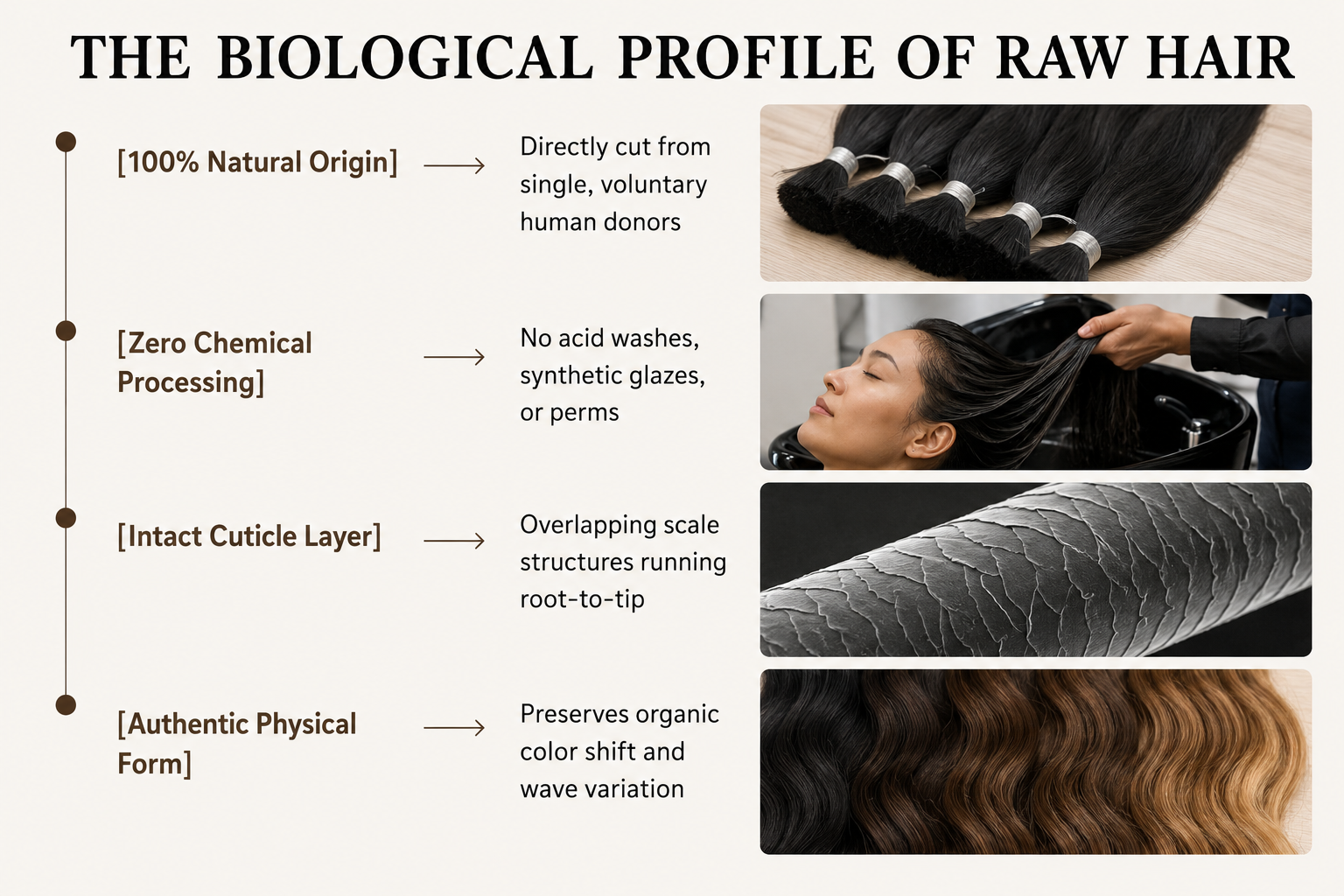
Unlike mass-produced hair products that rely on chemical treatments to force uniform straightness or artificial curl patterns, raw hair extensions reflect the authentic characteristics of human hair. The hair is thoroughly cleaned using mild, pH-balanced sanitizing washes, but its internal disulfide bonds and outer cuticle scales remain completely untouched. This structural preservation allows the hair to behave exactly like living human hair—responding naturally to moisture, heat styling, and professional coloring treatments.

The production cycle of authentic raw vietnamese hair begins long before the raw material reaches a factory floor. The collection process relies on direct, transparent networks operating in high-altitude, temperate regions where donors voluntarily preserve their hair's natural health.
Ethical sourcing requires that donors are fairly compensated for their ponytails. The hair is collected by securing the natural strand alignment into a firm ponytail before cutting, ensuring the root-to-tip orientation is never lost during harvesting.
To guarantee absolute batch consistency, high-tier factories keep each ponytail isolated. Sourcing raw hair bundles from single donors prevents textural mixing, ensuring that every strand within a bundle shares the exact same cellular diameter, porosity level, and elasticity profile.
Once brought to the production line, the raw ponytails undergo careful hand-sorting to extract short-hair fillers and impurities. The hair is cleansed using gentle, non-chemical sanitizing rinses designed to remove environmental debris while leaving the hair's natural lipid moisture barrier completely intact.
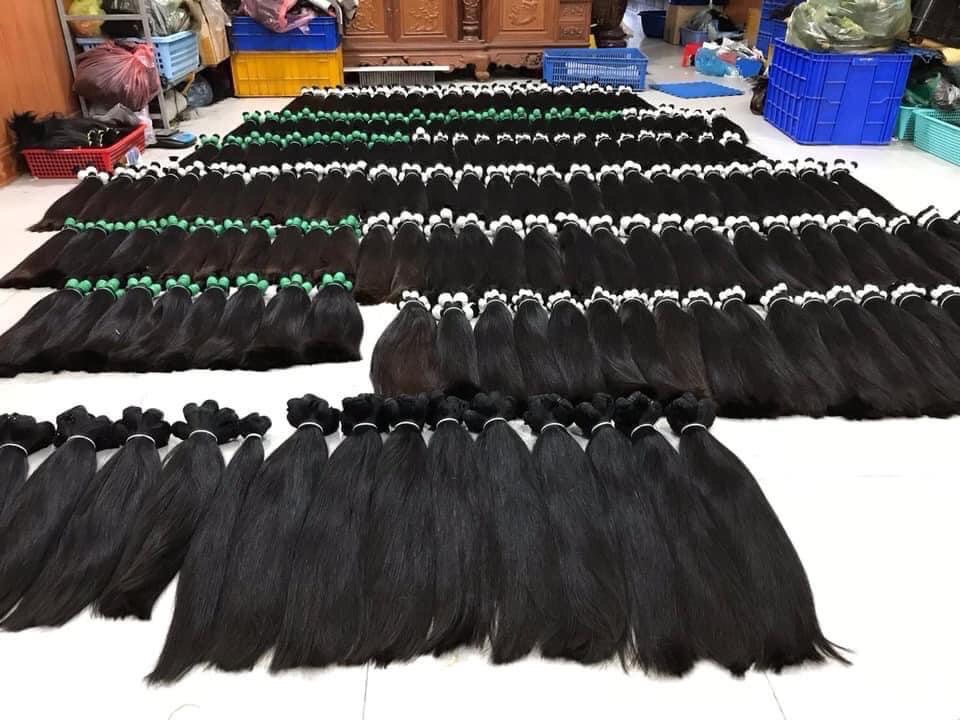
Because genuine raw hair comes from individual human donors, no two bundles are completely identical. Textures naturally range from sleek straight to organic gợn sóng (loose waves) or deeper natural waves, reflecting the authentic donor profile.
Unprocessed raw hair is rarely a flat, jet-black color. Most bundles display a natural spectrum ranging from deep espresso brown to soft natural black, often featuring subtle lighter undertones toward the ends caused by natural sun exposure.
The protective scale-like cuticle layer of the hair shaft remains completely intact and oriented in a single direction from root to tip. This scale alignment prevents internal fiber friction, making the hair resistant to matting and severe shedding.
Because the internal keratin matrix has never been weakened by factory bleach or acid treatments, genuine raw hair offers outstanding chemical resistance. Professional color specialists can safely lift the hair to a clean, luminous Level 10 platinum blonde while maintaining its elasticity and shine.
Expert Insight: In the luxury hair market, minor variations in color tone and wave pattern between bundles are signposts of genuine, minimally processed hair. Perfect color uniformity across hundreds of bulk bundles often indicates industrial batch-dyeing or chemical standardization.

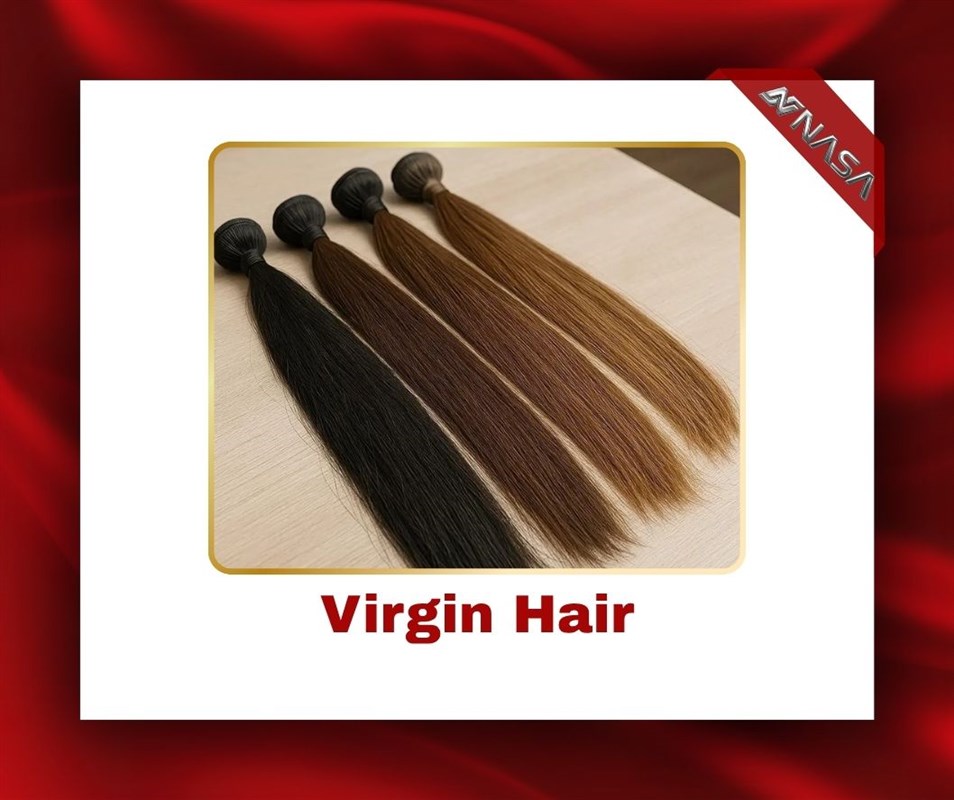
The terms "Raw Hair" and "Virgin Hair" are often used interchangeably in commercial marketing, yet they refer to distinct technical categories depending on regional manufacturing standards.
| Technical Metric | Genuine Raw Hair | Standard Virgin Hair |
| Chemical Processing | Zero chemical alteration | Minimal to none (generally un-dyed) |
| Texture Processing | 100% Organic (No steam-shaping) | Often steam-processed for uniform patterns |
| Color Uniformity | Natural shifts (Off-black to dark brown) | Generally uniform dark tones |
| Donor Sourcing | Single-donor or highly curated ponytails | May combine multiple donor sources |
| Operational Lifespan | 2 to 3+ Years with proper maintenance | 1 to 2 Years depending on steam history |
| Premium Price Point | High (Reflects raw material scarcity) | Moderate to High |
While genuine Virgin Hair technically refers to hair that has never been chemically dyed or permed, many factories use high-pressure steam ovens to force uniform curl patterns (such as deep wave, body wave, or kinky curl) onto virgin strands. True raw hair extensions, by contrast, bypass thermal steam-shaping entirely, preserving the hair's raw biological texture.
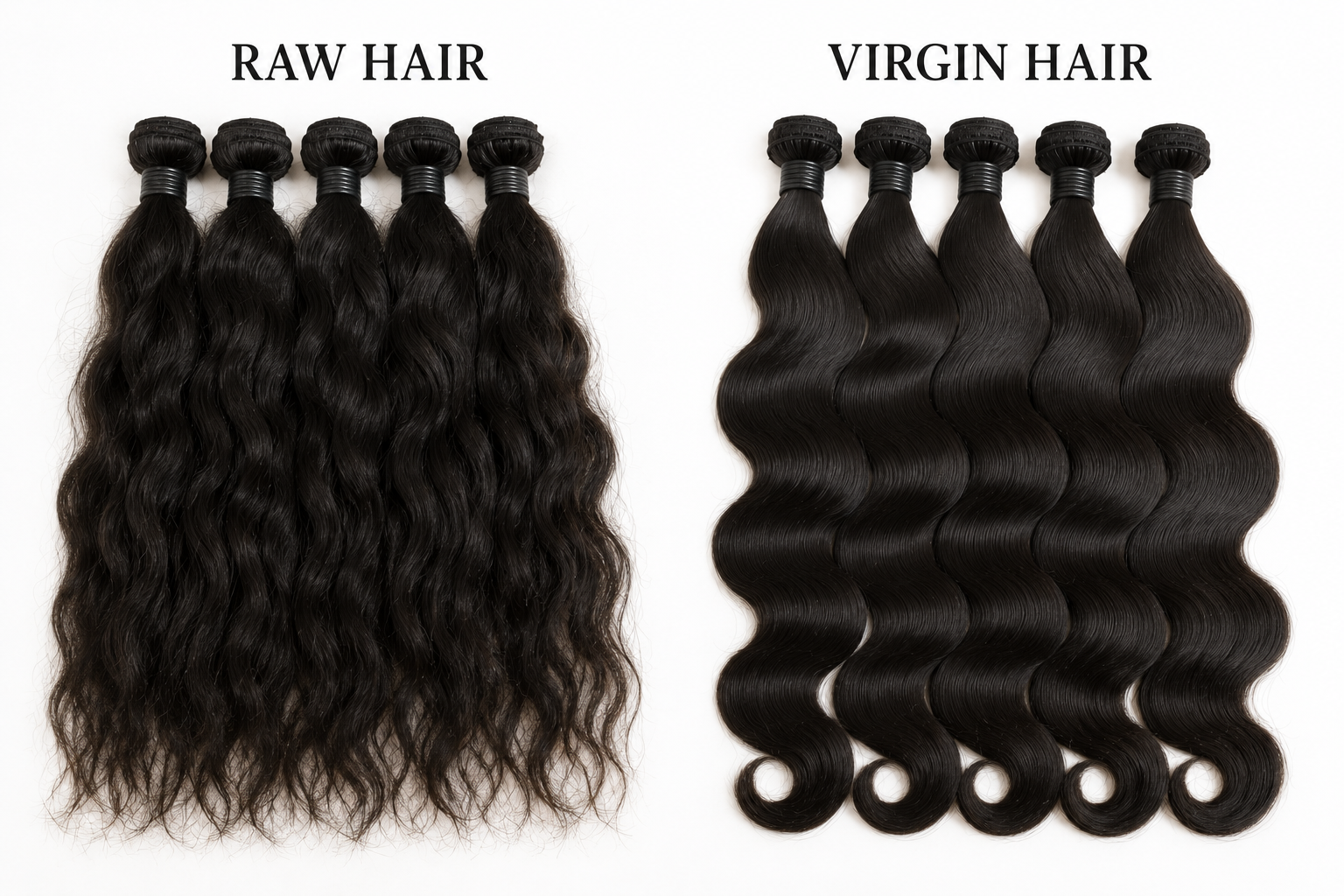
Understanding the relationship between Raw Hair and raw remy hair requires clarifying two distinct industry parameters: raw condition versus structural alignment.
"Remy" describes a structural condition where all cuticle scales run in the exact same biological direction from root to tip. "Raw" describes a chemical state—meaning the hair has never been treated with synthetic dyes, perms, or silicone coats.
All true Raw Hair is inherently Remy hair because it is collected via direct ponytail cutting, which preserves original cuticle direction. However, not all Remy hair is Raw hair. A factory can collect aligned Remy hair and subject it to heavy acid stripping, permanent industrial dyeing, or silicone glazing. While the cuticles remain aligned, the hair is no longer raw.
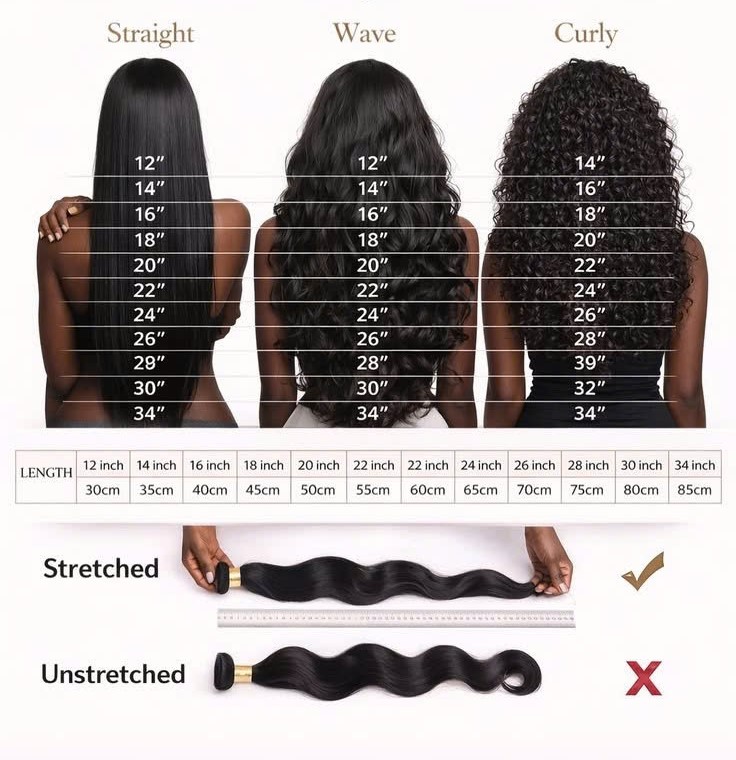
Multi-Year Operational Longevity: Raw hair easily maintains its vitality, luster, and movement for 2 to 3+ years of continuous wear, providing exceptional lifetime value to the end-consumer.
Unmatched Chemical Lifting Performance: The undamaged cortex matrix allows professional salon colorists to execute complex balayage, highlight, and Level 10 platinum blonde lifting without risking structural snapping.
Authentic Realism: Because the hair retains its natural lipid barrier and organic texture, extensions and raw hair wigs blend seamlessly into the client's biological hair layers.
Zero Chemical Residue: Eliminates the risk of contact dermatitis or scalp irritation caused by cheap silicone glazes and industrial acid residues.
High Customer Retention for Brands: Offering true raw hair reduces product return rates to near zero, helping luxury brands convert initial buyers into long-term accounts.
Because authentic raw hair comes from individual human donors, complete visual uniformity across multiple bundles is biologically impossible. Slight variations in natural color tone, luster, and wave pattern are clear indicators of genuine, minimally processed hair.
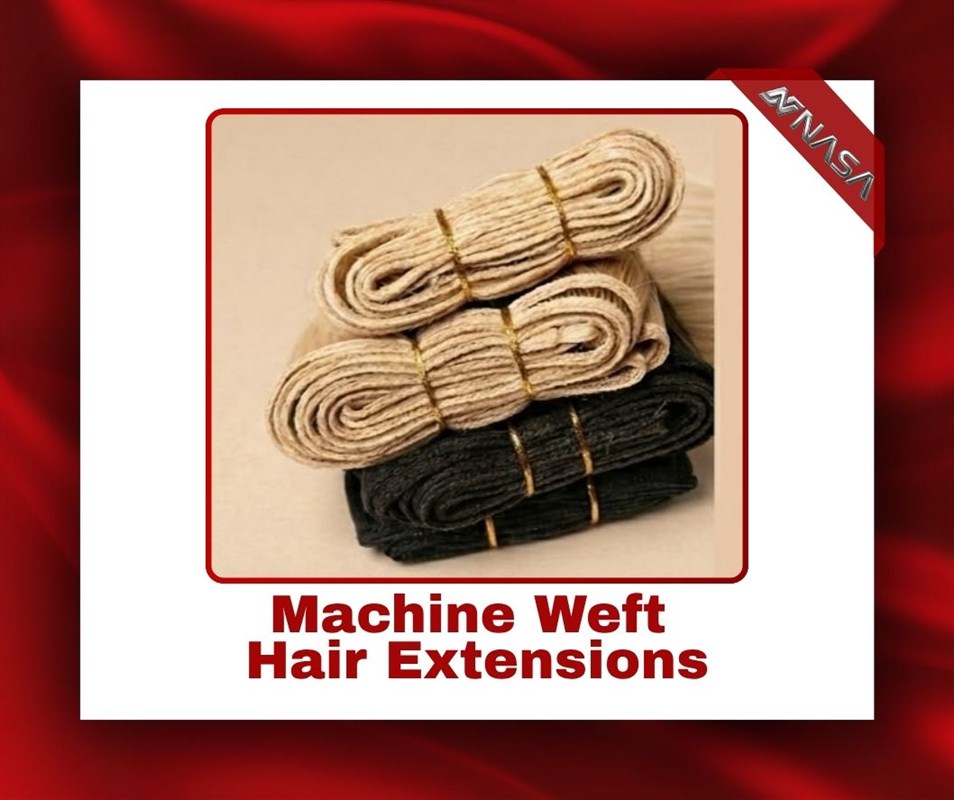
All human hair—whether growing naturally from the scalp or sewn onto an extension track—will experience minor shedding during brushing. While intact cuticles prevent friction-induced matting, improper weft construction, harsh handling, or lack of moisture can still cause mechanical shedding.
Price alone is not an absolute indicator of quality. Many independent trading companies mark up low-grade, steam-processed Remy hair to match raw market prices. Verifying factory infrastructure and internal quality control protocols is far more reliable than relying on price alone.
Before committing significant capital to a new wholesale raw hair supplier, ensure your procurement team executes these hands-on verification tests:
.jpg)
The Micro-Touch Cuticle Test: Slide your fingers up and down the hair shaft. Sliding down toward the tips should feel completely smooth, while sliding upward toward the root should produce slight, uniform resistance from the natural cuticle scales.
The Clarifying Wash Test: Wash a sample bundle using a heavy-duty clarifying, sulfate-free shampoo. If the hair loses its initial shine and becomes dry, rough, or matted, the supplier masked damaged fibers with temporary industrial silicone.
The Strand Burn Test: Cut a few strands and ignite them. Authentic raw human hair burns slowly, turns to a fine crushable ash, and releases a distinct keratin/protein aroma. Synthetic blends melt into a hard chemical bead with a plastic odor.
The Chemical Lift Test: Apply a professional-grade bleaching mixture to a test swatch. Genuine raw hair will lift cleanly and evenly to light golden and platinum tones while retaining its elastic strength.
Purchasing Based Solely on Upfront Price: Choosing the lowest-priced supplier almost guarantees receiving non-Remy scrap hair disguised with heavy silicone glazes.
Relying on Digital Photos Without Live Proof: Social media imagery can easily mask blended or processed hair. Always request live, unedited video verification of active factory production lines.
Skipping Sample Orders: Placing bulk orders without evaluating a multi-length sample order introduces significant inventory and capital risk.
Assuming All "Raw" Labels Share the Same Standard: Different suppliers apply marketing terms loosely. Always audit the supplier's specific processing definitions rather than relying on product titles.
Luxury Salon Owners & Stylists: Ideal for salons that offer high-ticket extension installations and custom color services where structural durability is mandatory.
Wig Makers & Hair Artists: Provides an undamaged canvas for constructing high-end custom lace wigs, frontals, and closures that can be colored repeatedly.
Wholesale Distributors & Private Labels: Essential for hair enterprise owners looking to position their brand at the top of the market and secure high client retention.
Because raw hair receives no natural oils from the scalp, proper hydration and gentle handling are essential to maintain its health:
Hydrating Washing Routines: Wash weekly using sulfate-free, paraben-free moisturizing shampoos. Follow with rich, hair-nourishing conditioners to replenish internal moisture.
Strategic Conditioning Treatments: Apply deep conditioning masks or light hair oils (such as argan or jojoba oil) from the mid-shaft down to the tips to preserve the hair's natural luster.
Safe Thermal Styling Practices: Always apply a professional-grade heat protectant spray before using hot tools, keeping temperatures below 180°C (350°F) to prevent thermal moisture loss.
Overnight Protection: Secure hair in a loose low braid or ponytail and sleep on a silk or satin pillowcase to minimize surface friction and prevent overnight tangling.
In the international B2B hair ecosystem, raw vietnamese hair is widely recognized for its exceptional structural performance and biological purity.
Vietnamese human hair possesses a naturally thick, round cortical cross-section rich in organic keratin proteins. This robust internal structure gives the hair a natural weight, fluid drape, and high tensile strength.
Additionally, because donors in temperate, high-altitude regions maintain chemical-free care routines, the hair's lipid moisture barrier remains intact. This provides a raw hair supplier with an ideal base material capable of lifting cleanly to Level 10 platinum blonde while maintaining multi-year structural integrity under daily wear.
Selecting a long-term production partner requires auditing factory infrastructure and quality control protocols against a standardized verification checklist:
Verified Direct Factory Ownership: Partner directly with asset-owning manufacturers to secure complete supply chain control, flexible OEM options, and direct-factory pricing.
Multi-Tier Quality Control Protocols: Ensure the factory executes strict check gates—including Incoming Raw Inspection, In-Line Weft Monitoring, and Outgoing Wet-Combing Verification—to guarantee batch consistency.
Transparent Sample Order Policies: A reliable manufacturer will readily provide sample kits across multiple lengths and textures, allowing your team to test the hair's performance before placing bulk orders.
Clear Export Experience: Verify that the supplier maintains established partnerships with primary express air carriers (DHL, FedEx, UPS) to secure predictable delivery timelines and smooth customs processing.
Before placing a bulk order, require prospective suppliers to answer these technical procurement questions:
How do you formally define Raw Hair within your production processes?
Has the raw material undergone any steam-shaping, chemical bath, or acid processing?
Are all raw bundles sourced from single donors with 100% unidirectional cuticle alignment?
Can your technical team provide live, unedited video verification of your active sorting lines?
What is your formal, contractually binding replacement policy for verified manufacturing defects?
Raw Hair refers to 100% human hair that remains in its natural state, completely free from chemical dyeing, perming, acid washing, or thermal steam processing, with its natural cuticle alignment fully preserved.
Raw Hair offers higher chemical resistance, better lifting potential, and a longer operational lifespan (2–3+ years) because it undergoes zero steam-shaping or chemical alteration. Virgin hair is often steam-treated to create uniform curl patterns, which slightly reduces its long-term elasticity.
When cared for properly with hydrating shampoos, heat protectants, and protective night routines, genuine raw hair easily lasts between 2 to 3+ years of continuous wear and reinstallation.
Yes. Because the hair's internal keratin structure has never been compromised by factory chemicals, genuine raw hair can be safely lifted to a clean, luminous Level 10 platinum blonde while maintaining its elasticity and softness.
All human hair extensions experience minor shedding during brushing. However, authentic raw hair with intact cuticles and high-tensile weft stitching experiences minimal shedding compared to non-Remy or acid-washed alternatives.
Execute a clarifying wash test to check for hidden silicone glazes, perform a strand burn test to verify 100% human hair purity, and check for natural cuticle resistance by sliding your fingers up the hair shaft.
Wholesale buyers should partner directly with asset-owning manufacturers in Vietnam, such as NASA Hair, that provide complete factory transparency, live video verification, and direct-factory pricing.
Raw Hair represents the gold standard of the international alternative hair industry, offering unmatched biological durability, chemical lifting performance, and natural movement. For luxury salons, stylists, and global hair brands, moving past generic marketing claims and investing in authentic, single-donor raw hair is the definitive path to eliminating customer returns, building brand equity, and securing long-term business growth.
Operating as an established manufacturing force in the Southeast Asian hair sector, NASA Hair specializes in producing premium, 100% authentic raw Vietnamese human hair extensions. By maintaining complete factory-floor transparency and implementing strict multi-tiered quality control checks, we provide professional buyers with the consistent quality needed to scale their businesses with absolute confidence.
For detailed material consultations, custom OEM specifications, or volume wholesale pricing sheets, professional communication channels remain open to support global hair enterprises. Connect with our dedicated B2B consulting team through our verified corporate channels to explore sample kit parameters and secure your production timeline today.
+84347071123
 French
 Russian