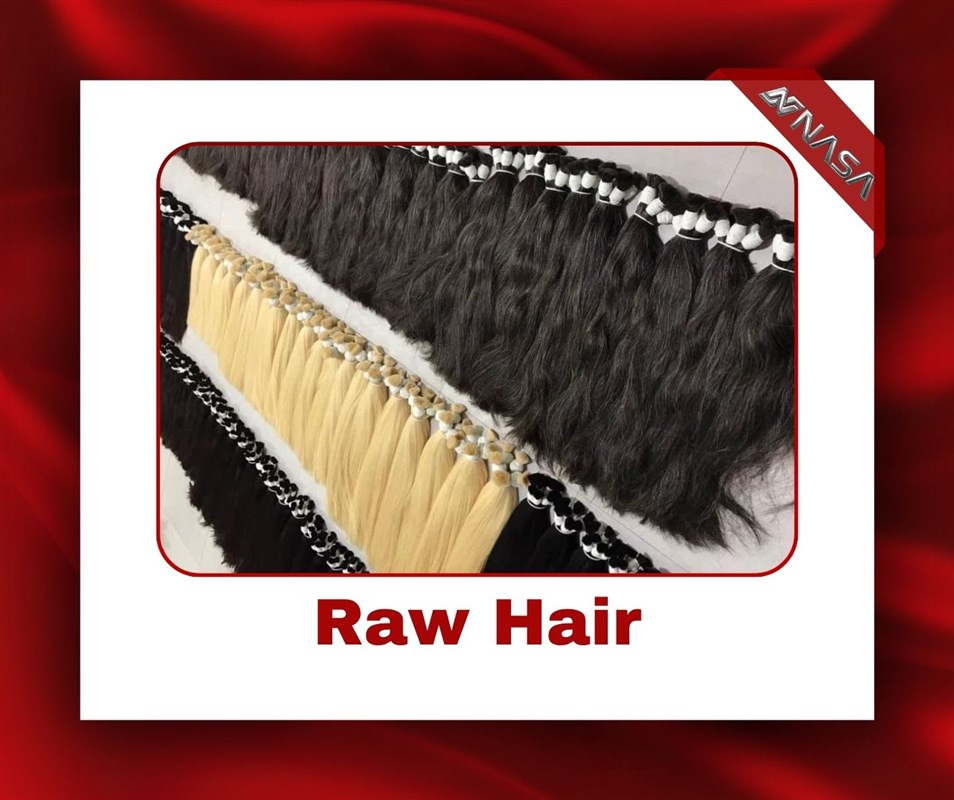
Indian Hair vs Vietnamese Hair: Which Hair Type Is the Better Investment for Your Business?
.jpg)
Indian Hair vs Vietnamese Hair
This technical oversight leads directly into a costly return and refund loop. Hair that tangles, sheds excessively, or fails to hold chemical processing leads to damaging customer complaints, forcing wholesalers to issue refunds that erode capital. For professional extension specialists, your product is your signature. Installing low-grade hair destroys client trust, ensuring they will seek out alternative salons for their next installation. Long-term profitability is built entirely on consistent repeat orders and high customer satisfaction, which can only be secured through a stable, structurally uniform raw hair supply.
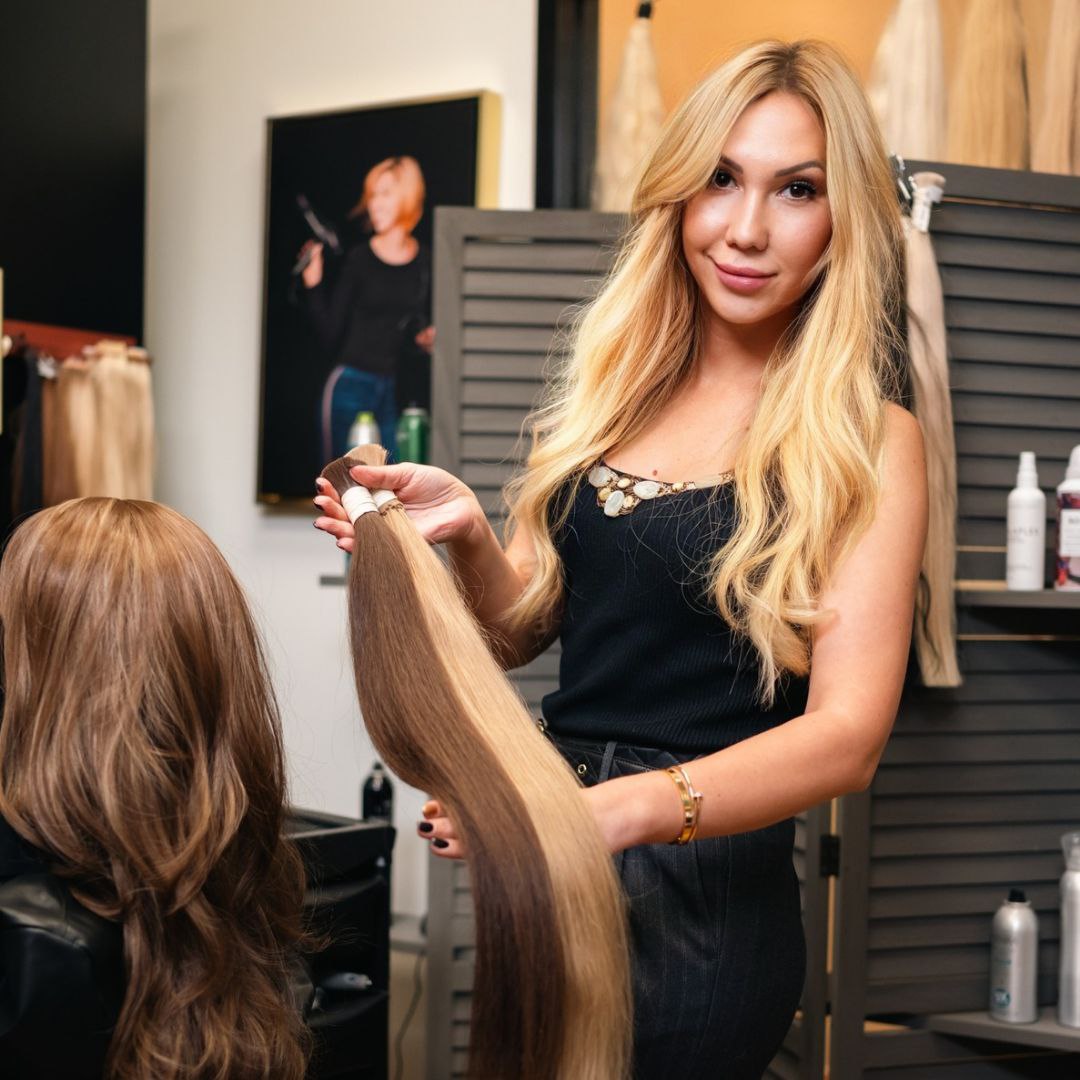
Professional salon owner inspecting and comparing hair quality metrics of premium human hair bundles.
Indian hair is one of the most abundant and historically prominent raw materials in the global alternative hair trade, driven primarily by cultural and religious practices.
The vast majority of authentic Indian hair is sourced through tonsuring, a religious practice of self-sacrifice performed at temples like Tirumala Venkateswara, where millions of pilgrims voluntarily shave their heads before the temples auction the raw material to global processors. Biologically, Indian hair naturally possesses a fine-to-medium hair shaft diameter with a gentle-to-pronounced organic wave pattern, giving it immense natural volume and soft, airy movement. Because the individual strands are finer, Indian hair moves effortlessly with the wearer, blending seamlessly with relaxed Afro-textured hair or naturally textured Caucasian hair profiles.
However, structural limitations remain a significant challenge for premium buyers. Because temple hair is gathered from millions of unverified donors traveling on foot, the raw material often exhibits weather damage, low-grade hair oil accumulation, and inconsistent health. Furthermore, a massive portion of Indian hair exported today is actually non-Remy "comb hair" collected from brushes and floors. This hair must be heavily acid-washed to strip away the inverted cuticles and glazed with a thick silicone coating to create a false initial shine, resulting in a product that degrades into a dry matte within a few weeks of washing.
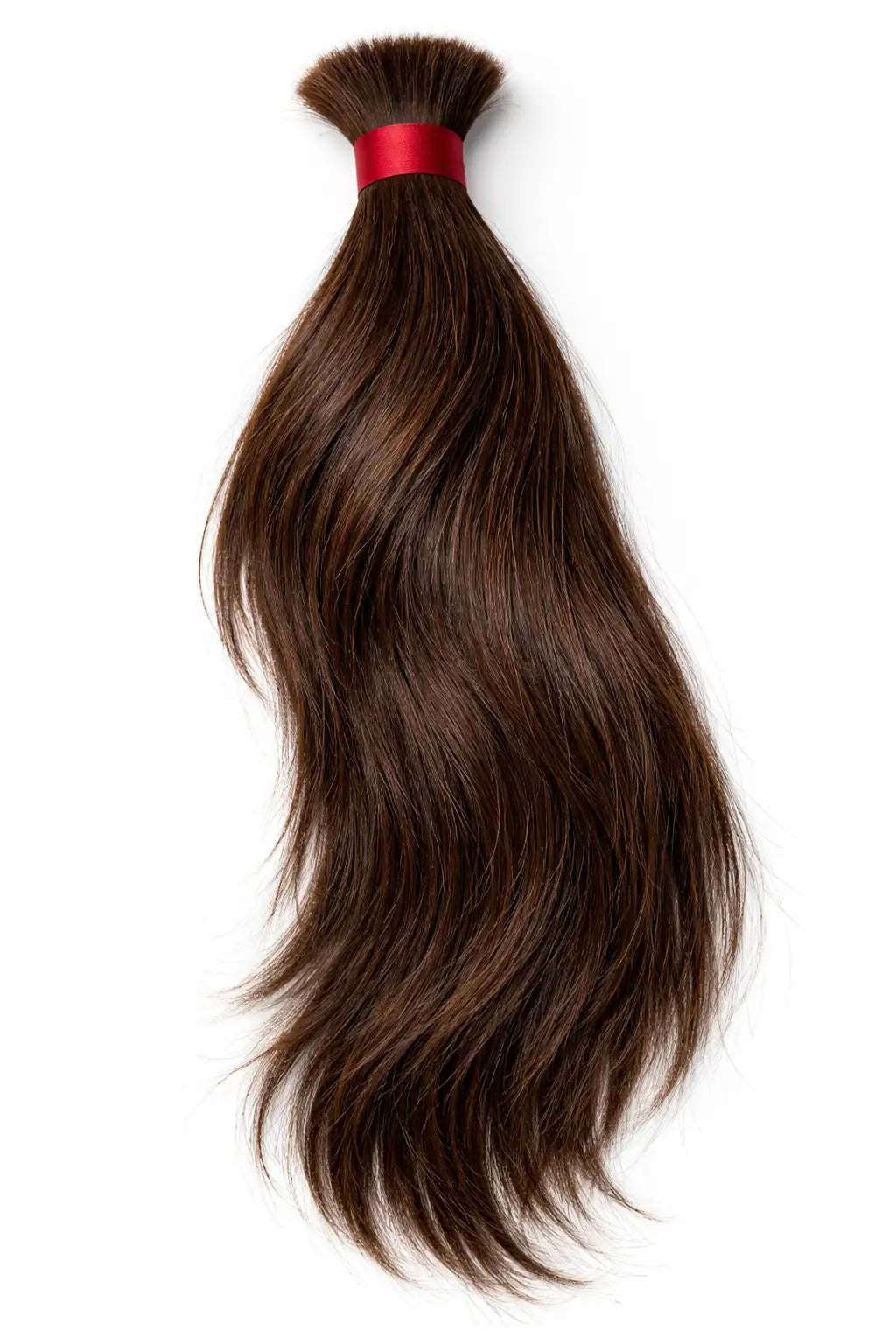
Vietnamese hair has emerged as the premier choice for luxury salons and boutique brands that command high retail prices and require uncompromising structural endurance.
Unlike mass-collected temple hair, authentic Vietnamese hair is sourced directly from individual voluntary donors, primarily women living in the high-altitude, temperate northern and mountainous regions of Vietnam. This targeted collection process ensures that the natural cuticle layers remain completely intact, healthy, and oriented in a uniform direction from root to tip. Driven by favorable genetics and protective climates, these donors frequently avoid harsh chemicals and maintain traditional herbal washing routines, preserving the hair's natural lipid barrier. The resulting strands feature a robust, round cross-section, providing a striking natural thickness and weight that projects an elite appearance.
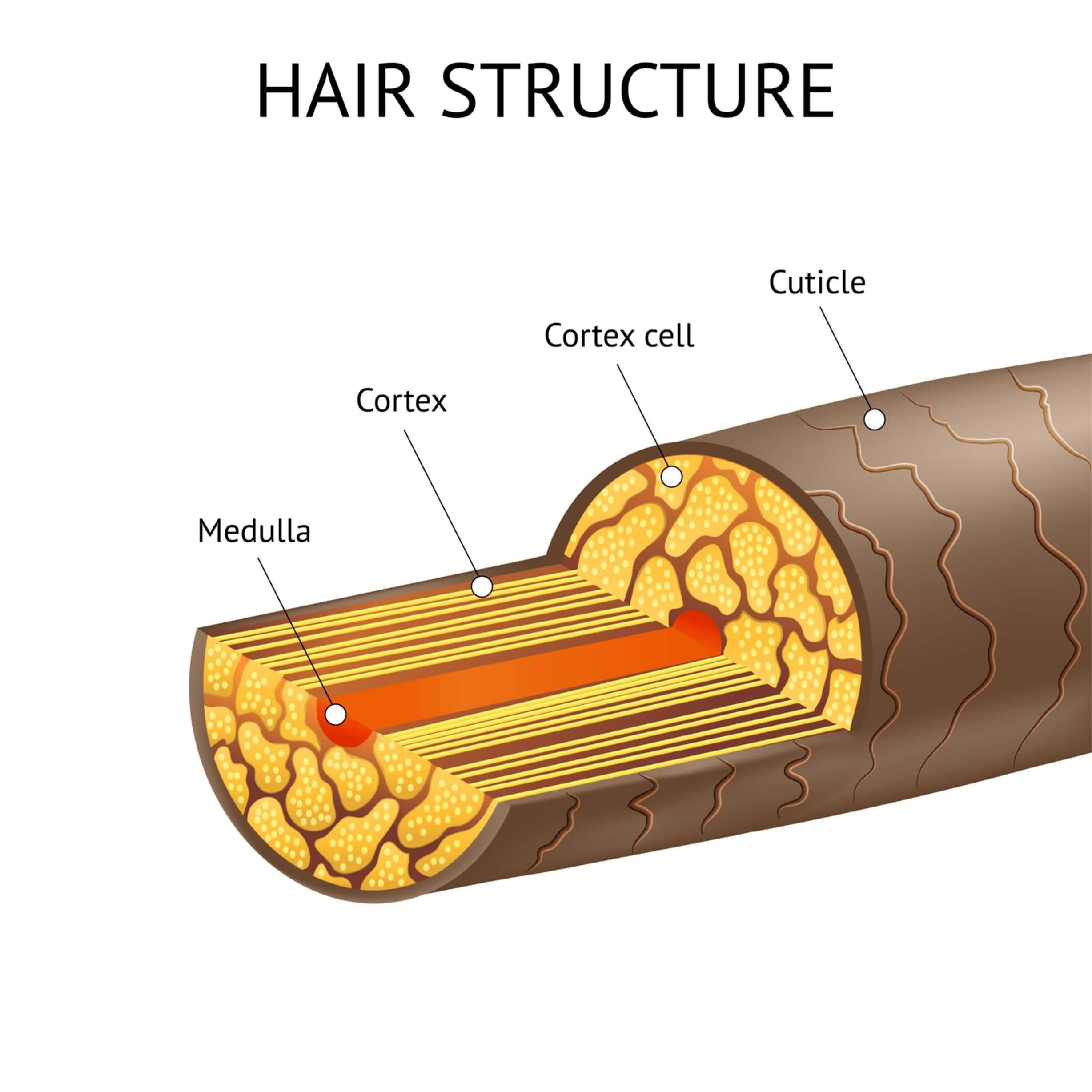
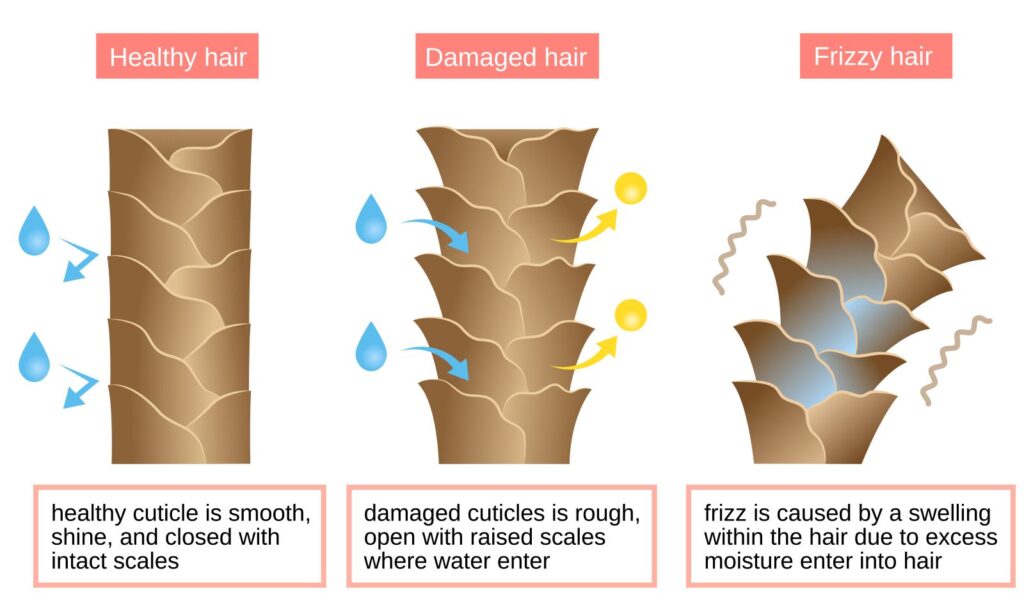
To understand why these two hair origins perform differently under professional salon environments, one must examine the micro-anatomy of the human hair shaft.
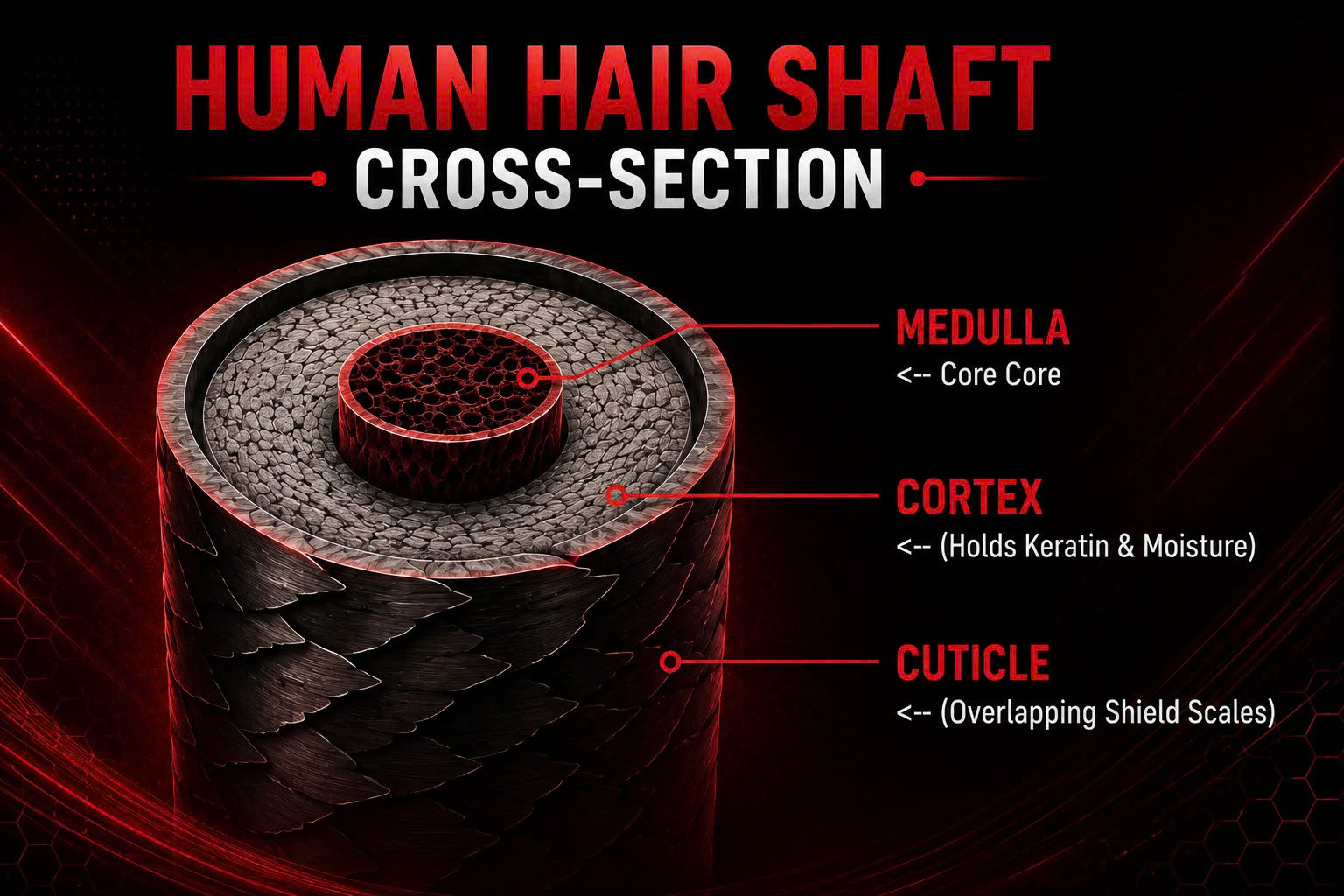
The cuticle is the outermost protective layer of the hair fiber, consisting of overlapping scale-like proteins. When cuticles are 100% aligned, they act as a fluid shield, sliding past one another smoothly. Vietnamese hair’s single-donor collection ensures this alignment is never disrupted, whereas misaligned non-Remy hair fibers lock together like interlocking gears, inducing instantaneous matting.
Biologically, Vietnamese hair features a significantly thicker diameter within the cortex—the middle layer that stores the fiber's keratin bonds, cellular moisture, and color pigments. A thicker cortex equates to higher elasticity and superior moisture retention, allowing the larger cortical mass of Vietnamese hair to absorb and withstand chemical processing far better than the more fragile cortical matrix of Indian hair.
The kinetic performance and visual aesthetic of your extensions dictate how well they integrate with your target demographic's natural hair.
When processed into sleek, uniform styles, Vietnamese hair stands as the absolute global gold standard. Because of its natural weight and thickness, it achieves a flawless, heavy Bone Straight finish that remains pin-straight even in high-humidity environments. Indian hair, due to its finer nature, can struggle to maintain a glassy bone-straight texture, often reverting to a fluffy, voluminous state when exposed to atmospheric moisture. However, Indian hair excels beautifully in its natural state, offering an elegant Natural Wave or Body wave configuration that feels incredibly soft and airy for clients seeking dynamic bounce.
The true commercial cost of a hair unit is determined by its longevity across rigorous daily use, thermal styling, and chemical modification.
Machine-aligned Remy Indian hair typically provides an operational lifespan of six to twelve months, though this timeline drops sharply to a few weeks if the vendor supplied low-grade non-Remy hair masked with temporary silicone. Conversely, because the core keratin structure and cuticle alignment are completely preserved from a single donor, premium Vietnamese raw hair easily sustains two to three years of active daily use, repeated heat styling, and professional coloring without structural failure or losing its natural sheen.
For high-end color specialists and salons catering to the blonde market, chemical resistance during the lifting process is the ultimate dealbreaker.
Transitioning a dark brown hair shaft into a clean, platinum 613 Blonde or an ash Level 10 tone requires an aggressive lift process using oxidative bleach to break down the melanin pigments within the cortex. Because Indian hair fibers are naturally finer and often pre-weathered, they exhibit lower chemical resistance, making them prone to becoming brittle, snapping, or losing elasticity during intense lifting. Raw, single-donor Vietnamese hair possesses an exceptionally strong cortical mass that can safely withstand low-and-slow oxidation processes, allowing colorists to lift the hair cleanly to a luminous blonde while maintaining its natural structural integrity.
The occurrence of severe tangling and shedding is a direct symptom of poor structural engineering or cuticular inversion.
True Remy Hair principles dictate that every single strand within a bundle must flow in the exact biological direction of growth. When factories collect cheap, non-Remy hair scraps, the cuticles collide and cause extreme tangling. To mask this, low-end factories use acid to strip the cuticle entirely and glaze the hair in silicone, which eventually peels off after a few washes, leaving the exposed cortex to matte and shed away from the tracks. Sourcing single-donor Vietnamese hair completely eliminates the root cause of tangling and tracking failure by ensuring absolute cuticle preservation.
When purchasing inventory for an expanding hair brand, looking strictly at the upfront wholesale price is a dangerous commercial trap.
Indian hair features a highly accessible initial cost, making it ideal for budget-conscious brands or short-term styling projects. However, if the hair has a short operational lifespan, the replacement cost for your consumer increases, while high return rates and negative reviews will permanently depress your brand's client acquisition efficiency. Vietnamese hair commands a higher upfront market price due to its rigorous collection method and scarce supply, but it yields an unmatched lifetime value by reducing product return rates to near zero, maximizing customer retention, and allowing your salon to command premium retail pricing.
|
|
|
|
|
|
|
|
|
|
|
|
|
|
|
|
|
|
|
|
|
|
|
|
|
|
|
|
|
|
|
|
There is no singular universally superior hair origin; rather, there is a correct hair source for your specific business architecture and client base.
.png)
If your business caters to affluent clients who demand seamless blending with fine European textures, custom balayage tracking, or a perfect, glassy blonde melt, Vietnamese hair is your required standard. Its structural purity allows your stylists to execute complex color transformations with complete confidence.
Conversely, if you operate an online e-commerce store focused on delivering high-volume, accessible hair units, or if your primary demographic demands deep, bouncy textures out of the box, standard Remy Indian hair provides an excellent, cost-effective entry point. For wholesale distributors looking to build an international reputation, the ideal strategy is diversification: maintain a premium, high-margin product tier anchored by certified single-donor Vietnamese units alongside an accessible, everyday line built on reliable Indian Remy hair.
Choosing between Indian and Vietnamese hair should never be a matter of guesswork. By evaluating the structural demands of your clients—whether they require the ultra-flat, heavy drape of a premium bone-straight unit or the airy, voluminous bounce of a natural wave—you can align your supply chain with precision to secure sustainable business growth.
NASA Hair supplies premium Vietnamese human hair for wholesalers, salons, and private-label brands worldwide. We maintain complete factory-direct transparency, rigorous quality control protocols, and custom private-label branding solutions to help you scale your business seamlessly.
Contact our dedicated B2B consulting team today to request samples, receive a quotation, or discuss the best products for your market.
+84347071123

 French
 Russian