Focusing strictly on pricing metrics is a primary driver of supply chain failure for global buyers. When auditing a human hair supplier in Vietnam, purchasing directors must prioritize verifiable manufacturing infrastructure, standardized quality control systems, raw material consistency, and contractually clear after-sales framework protection. Partnering with a structurally sound Vietnamese hair manufacturer directly minimizes customer return rates, stabilizes your brand equity, and elevates overall customer retention across your salon or distribution network.
Securing a transparent, highly capable human hair supplier in Vietnam represents a foundational milestone for wholesale hair distributors, international salon networks, and private-label hair brands. Driven by an educated workforce, specialized mechanical texturing engineering, and a rapidly expanding international logistics network, Vietnam has positioned itself at the apex of the global alternative hair trade.
However, the rapid influx of digital storefronts has made it difficult for purchasing managers to separate asset-owning factories from independent trading brokers and short-term resellers. This technical procurement guide provides an objective framework to audit Vietnamese suppliers, define critical selection metrics, and isolate a production partner engineered to support long-term business growth.
Vietnam is recognized globally for supplying high-quality human hair because of its naturally strong hair fibers, skilled craftsmanship, and well-established export industry. These integrated manufacturing advantages have made a direct Vietnam hair supplier the preferred procurement asset for high-margin wholesalers, celebrity stylists, and enterprise hair brands globally.
The underlying strength of this supply chain relies on the biological profile of the raw material. Sourced predominantly from donors residing in temperate, high-altitude regions, the hair features a thick round cross-section, dense native keratin layers, and a highly resilient cortex matrix. Combined with traditional, non-chemical maintenance routines practiced by the donors, the raw material enters the factory floor completely undamaged, offering an elite canvas for high-performance salon adaptations.
A human hair supplier is a corporate entity that provides bulk human hair products to alternative hair enterprises, including wholesalers, regional distributors, luxury salon groups, and private-label e-commerce brands. Depending on their specific operational model, a supplier may directly own and manage a human hair factory Vietnam facility or function as a trading office sourcing batches from multiple unverified external networks.
Understanding the structural classification of your supply chain partner is critical:
Partnering with an authenticated raw human hair supplier influences much more than the surface appearance of an extension bundle. It directly dictates your operational delivery times, customer satisfaction levels, overhead return costs, inventory planning predictability, and long-term brand equity.
Expert Insight: For enterprise wholesale operations, the customer acquisition cost (CAC) of replacing a dissatisfied boutique account or salon network is significantly higher than the operational cost of preventing quality variance through a verified, direct-factory supply chain.
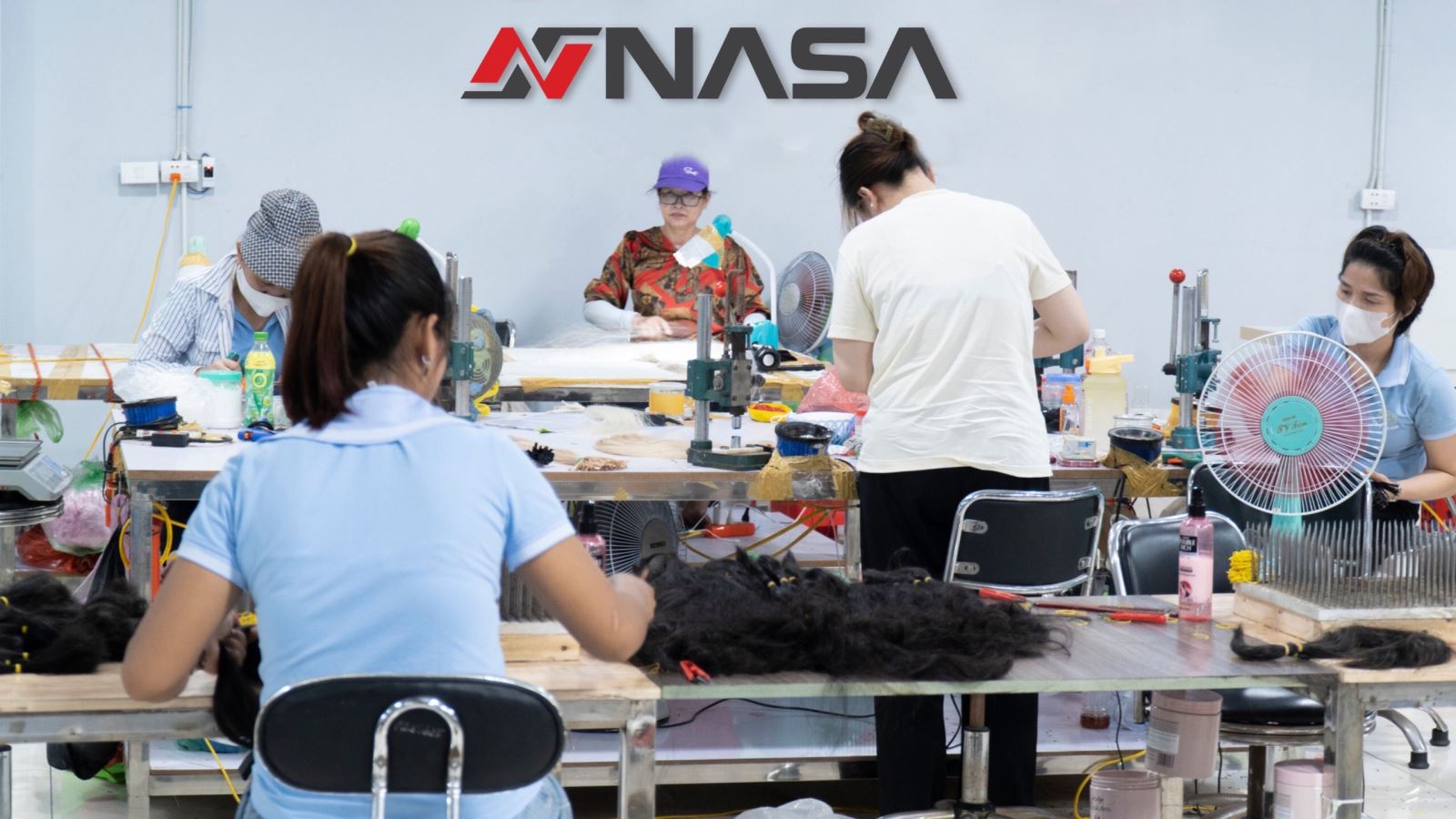
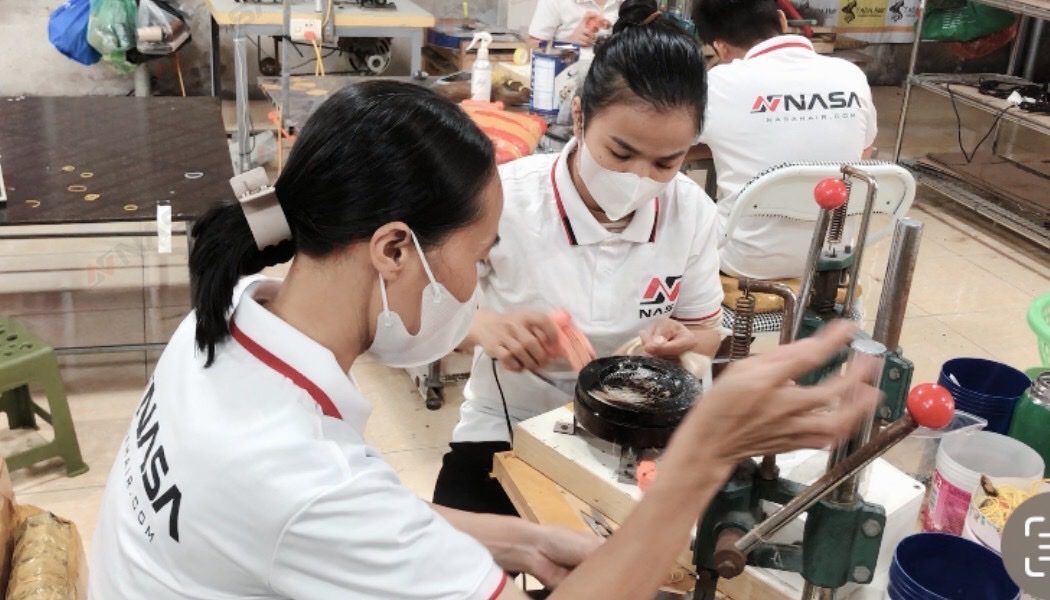
A verified supplier must demonstrate clear ownership of physical asset structures capable of sustaining industrial volume. Buyers must verify the supplier's monthly production capacity and check if their workforce is trained in advanced processing, ensuring they can seamlessly scale production as your order volume expands.
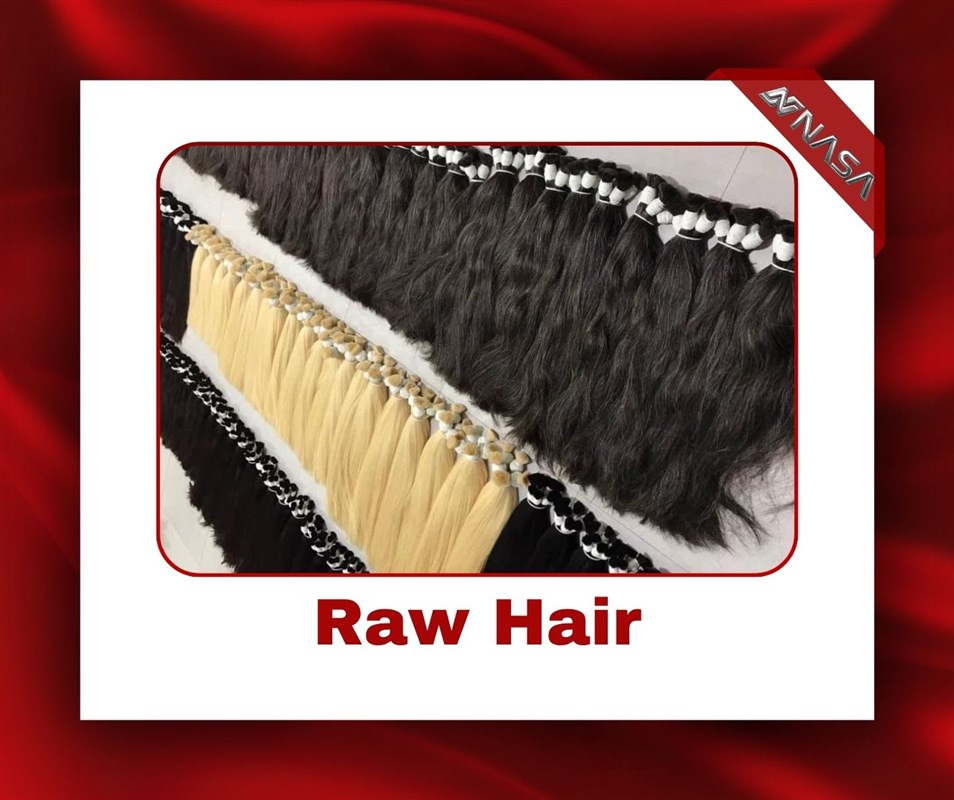
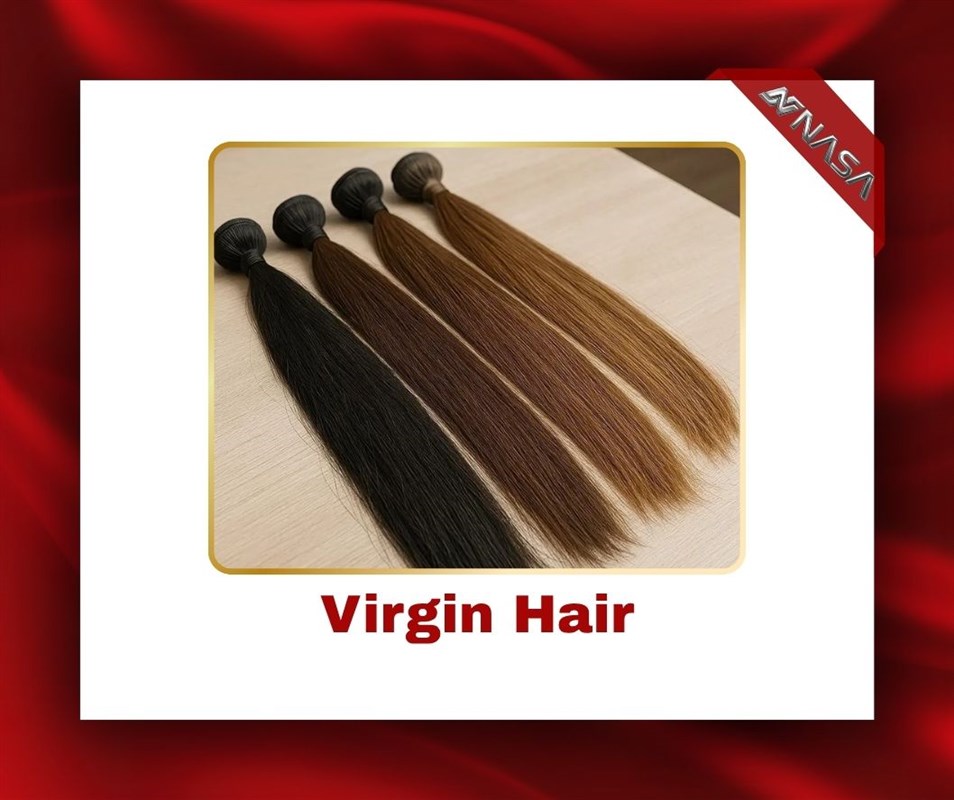
The raw inputs must conform to precise biological benchmarks. The supplier must verify that the hair remains 100% Remy or Virgin, with cuticles fully intact and running unidirectionally from root to tip. This architectural purity ensures the extensions maintain minimal shedding and multi-year durability under intense daily thermal styling.
A elite factory implements a strict, multi-tiered quality control framework divided into clear check gates. This includes Incoming Raw Inspection to audit material elasticity, In-Process Inspection to track weft sewing thread tension, and Final Inspection where every bundle completes wet-combing and electronic weight verification to secure absolute batch consistency.
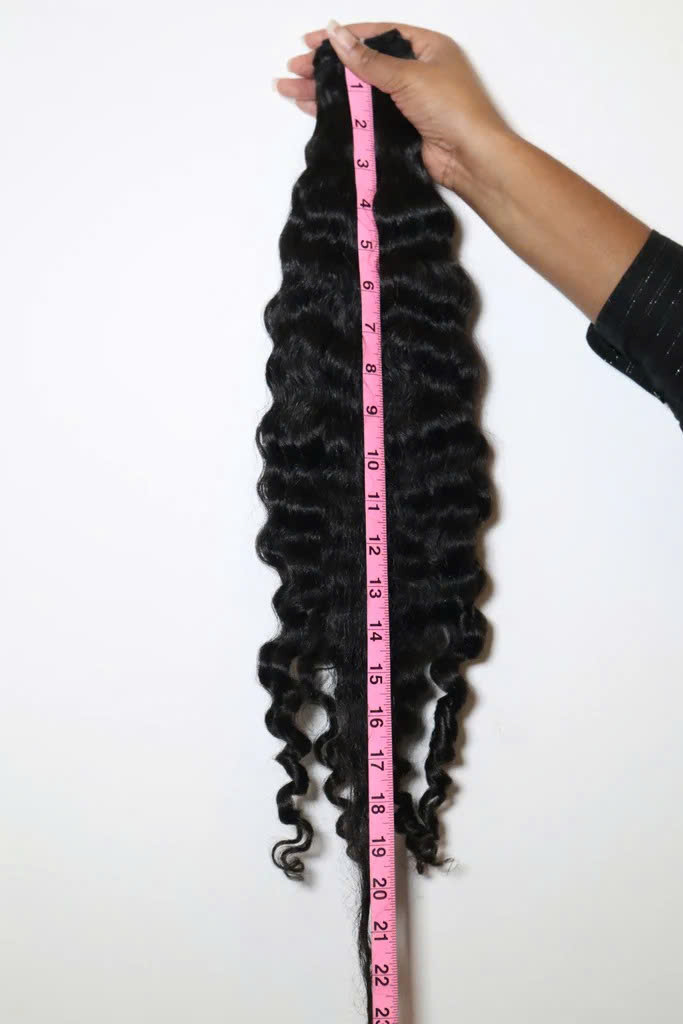
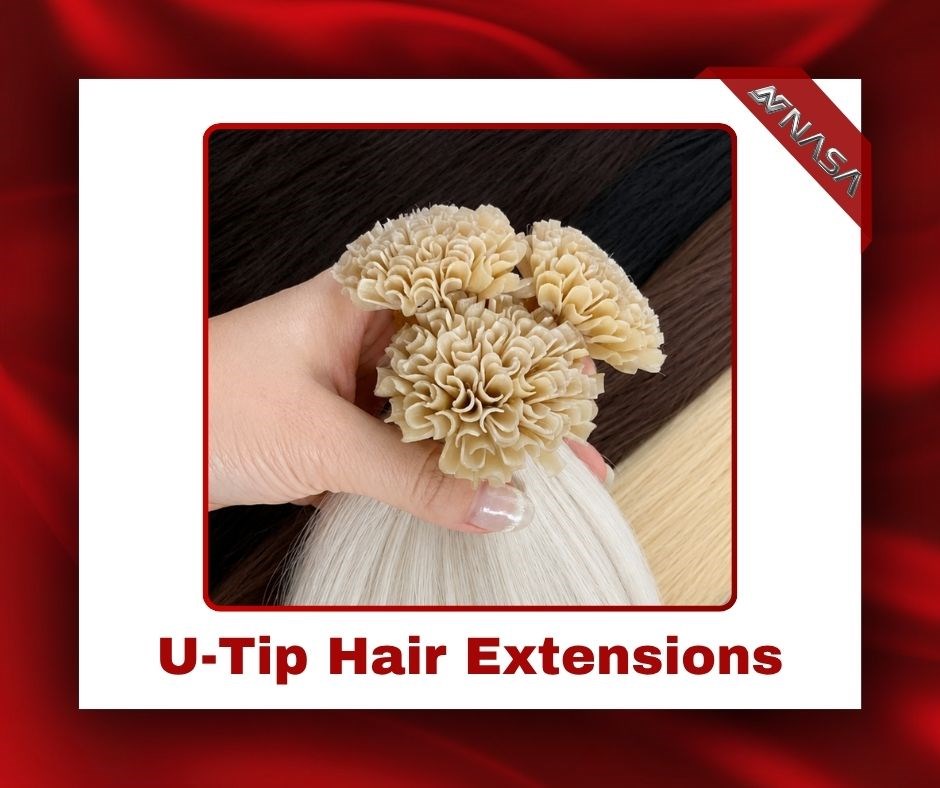
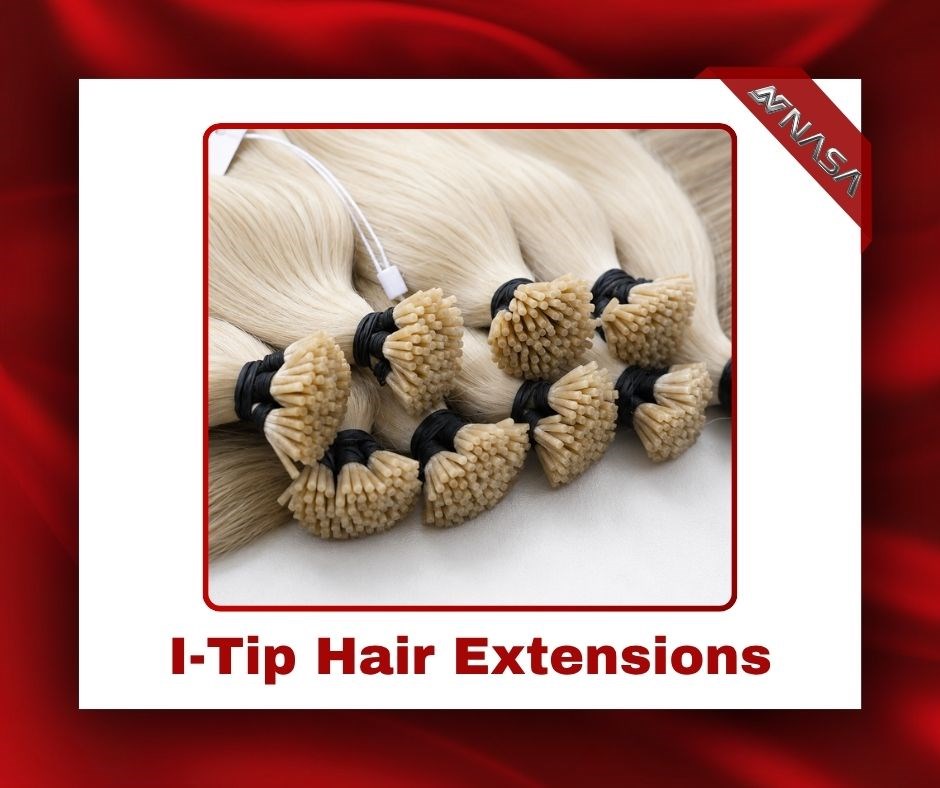
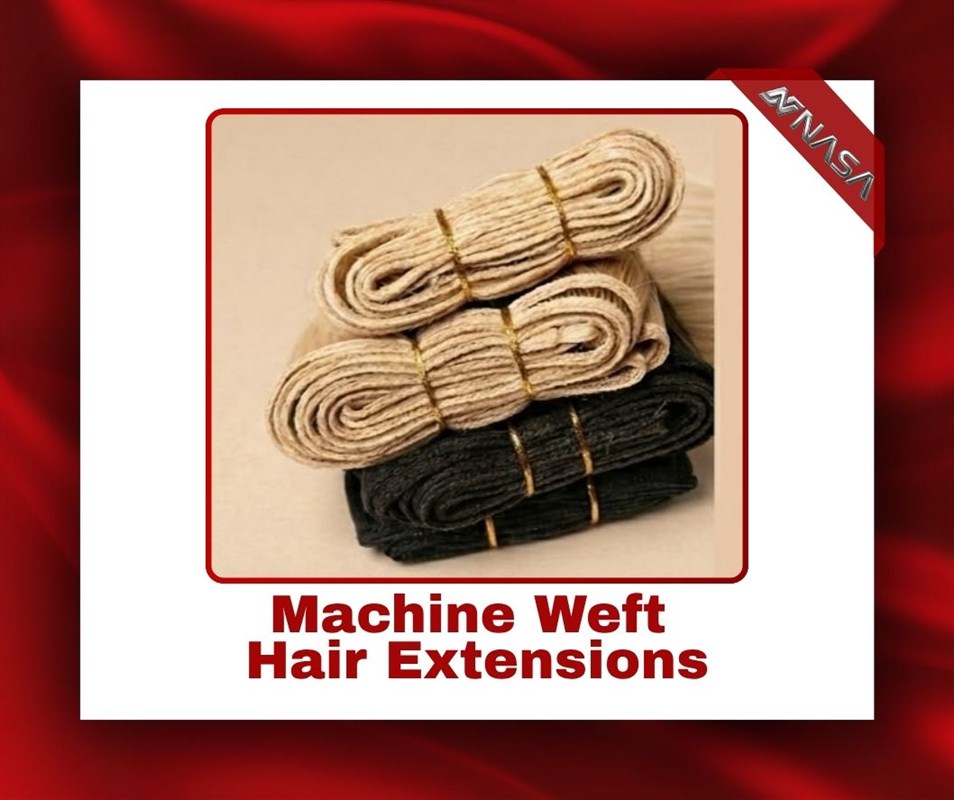
The supplier's manufacturing line should cover diverse installation architectures, including bulk hair, machine wefts, closures, frontals, lace wigs, tape-ins, and ultra-thin systems like feather wefts. The factory must demonstrate high proficiency in OEM customization, allowing for custom dimensional color lifting, custom rootings, and specialized density configurations.
A reliable wholesale human hair supplier operates with transparency, providing fast, professional B2B responses and comprehensive product specifications. They should deliver real production updates and expert technical advice, backed by a structured after-sales framework that quickly addresses product variations.
Navigating international borders requires deep experience with customs clearance protocols and global logistics. The supplier must demonstrate a history of serving major international markets, maintaining verified partnerships with top-tier express air carriers (DHL, FedEx, UPS) to ensure predictable delivery lead times.
True manufacturers open their operations to buyer scrutiny. They readily host live video calls from the factory floor, facilitate physical factory visits, share raw production media, and present international quality management certificates to validate their business compliance.
Neither operational structure is universally superior; instead, your choice must align with your specific purchasing volume and long-term brand strategy.
Direct manufacturers typically require structured minimum order quantities (MOQs) but reward buyers with absolute production control, complete OEM custom packaging freedom, and the lowest possible direct factory pricing. Trading companies can sometimes offer smaller mixed-origin test orders, but they lack the infrastructure to secure batch consistency over time. For growing brands and luxury salons looking to eliminate client complaints and protect their professional reputation, working directly with a verified manufacturer is the only scalable long-term solution.
Before transferring capital to a new partner, ensure your procurement team conducts a comprehensive technical interview using the following checklist:

Red Flags When Choosing Human Hair Suppliers
Global procurement directors consistently shift their supply chains toward Vietnam because the market provides an exceptional balance of raw material purity and advanced manufacturing expertise. Unlike traditional mass-production hubs that process hair on an aggressive industrial scale—destroying the hair's natural vitality—Vietnamese manufacturers focus on precision small-batch sorting. This careful approach preserves the hair's native moisture level and cuticle alignment, providing international brands with an elite product line that performs flawlessly under intense salon styling and color modification.
Operating as a direct, asset-owning manufacturer in Vietnam, NASA Hair provides global hair enterprises with transparent, factory-direct human hair supply. The factory eliminates the guesswork from sourcing by executing a standardized, three-tier quality control process on every batch before it enters the packing line, ensuring absolute consistency across bulk orders.
With comprehensive OEM and private-label customization support, NASA Hair engineers custom tracking configurations, micro-wefts, and specialized color profiles tailored to the strict requirements of luxury salon chains and brand owners worldwide. Backed by extensive international export experience and clear, contractually sound after-sales protection frameworks, NASA Hair acts as a reliable manufacturing asset dedicated to securing your brand's market growth and supply chain stability.
.jpg)
Buyers should require a live video call directly from the active production floor to audit their machinery and raw stock. Additionally, placing a multi-length sample order to perform a professional after-wash clarifying test allows your team to verify cuticle alignment and structural integrity before committing major capital.
Yes. Working directly with a direct factory eliminates all middleman trading fees, securing the lowest sustainable wholesale cost framework while giving your brand direct access to custom OEM private-label production and flexible product modification.
A professional factory provides a complete product line, including raw bulk hair, high-tensile machine wefts, closures, frontals, lace wigs, tape-ins, and micro-thin applications like feather wefts, all engineered using 100% Remy human hair.
Standard production timelines generally range from 7 to 14 business days, depending on the complexity of your custom colors or weft architecture. Direct factories provide clear, predictable timelines to help you manage your inventory planning effectively.
Selecting a human hair supplier in Vietnam requires moving past basic price negotiations and focusing on verifiable manufacturing transparency. Long-term commercial success in the premium alternative hair industry belongs to wholesalers and salon networks that build their supply chains on direct factory integrity, structural consistency, and responsive professional support. By implementing strict supplier audit standards and choosing partners based on documented production capability rather than generic marketing claims, your enterprise can effectively eliminate product returns, protect its market reputation, and build a highly profitable, sustainable business foundation.
For detailed material consultations, custom OEM specifications, or volume wholesale pricing sheets, professional communication channels remain open to support global hair enterprises. Connect with our dedicated B2B sales division through our verified corporate channels to explore sample kit parameters and secure your production timeline today.
+84347071123

 French
 Russian