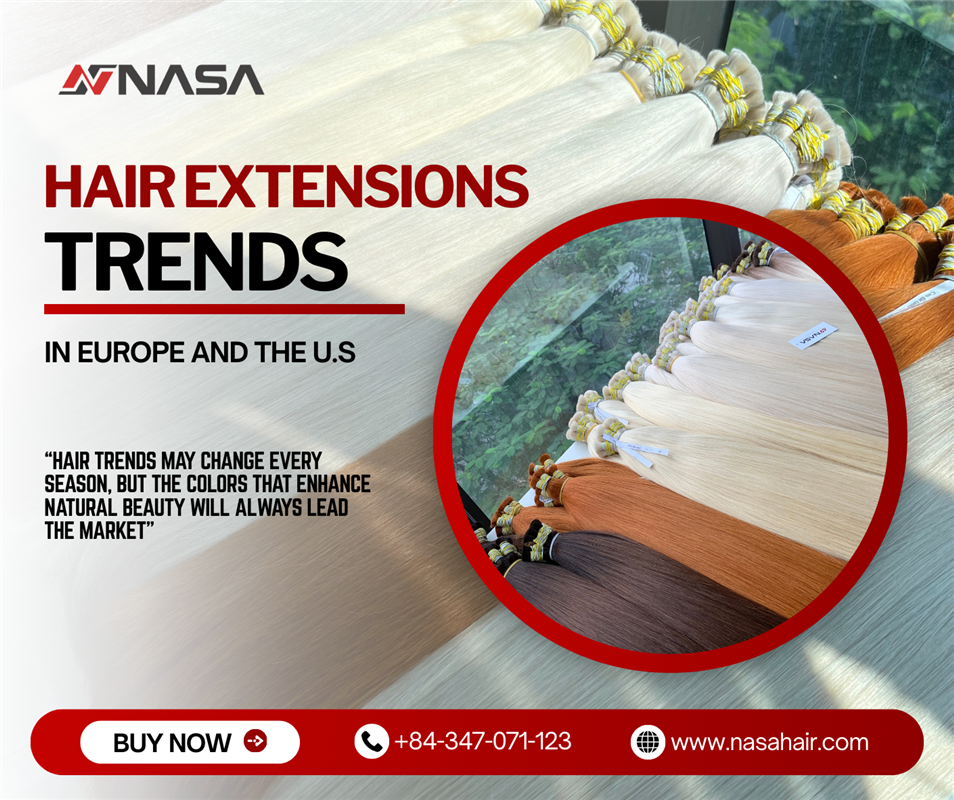
In recent years, the global beauty industry has undergone a noticeable transformation. Instead of heavily processed or artificial looks, clients are increasingly drawn to natural aesthetics that enhance their existing features rather than completely change them.
This shift directly impacts the natural color hair extensions segment. Clients no longer want extensions that look overly dyed or unnatural under different lighting conditions. Instead, they prefer hair that blends seamlessly with their own, both in tone and texture.
In premium salons across Europe and the United States, this trend is especially clear. Hair is no longer just about dramatic transformation—it is about refinement, realism, and effortless beauty.
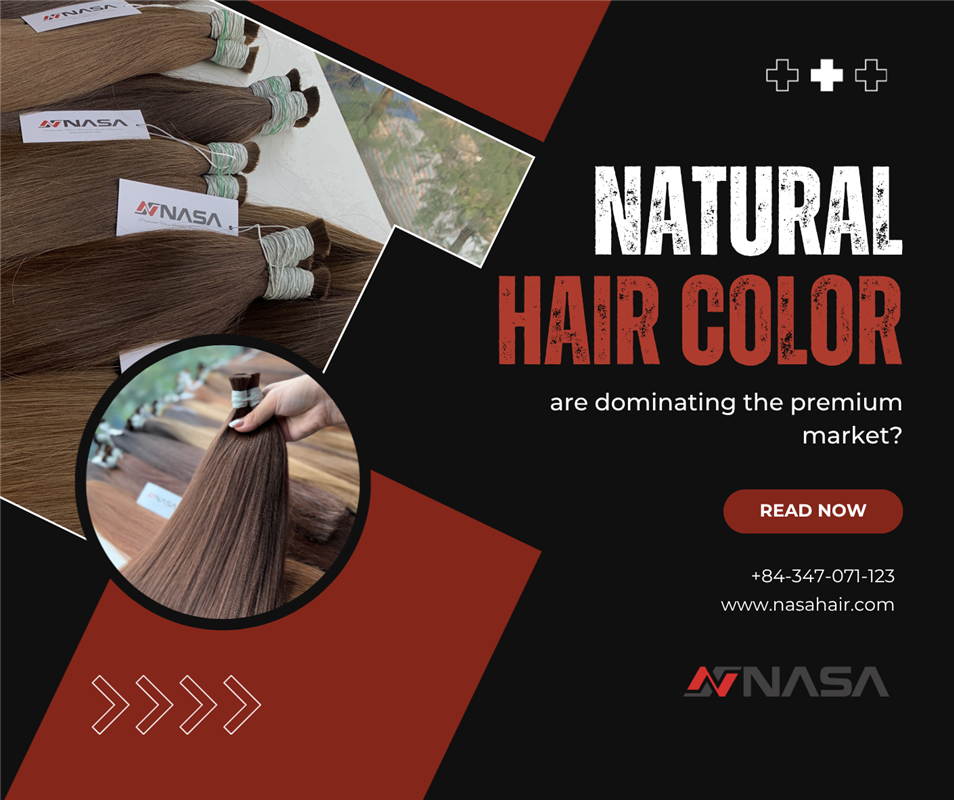
Natural color hair extensions refer to hair that retains its original, unprocessed tone, typically ranging from natural black to various shades of brown.
Unlike pre-dyed hair, natural color hair has not undergone heavy chemical processing. This means:
The cuticle layer remains more intact
The color appears more dimensional and less flat
The hair reacts better to professional coloring
From a technical perspective, natural color hair offers a more stable foundation for salon services. Because the pigment structure has not been artificially altered, stylists can predict color results more accurately during bleaching or toning.
This level of control is one of the key reasons why natural color hair is positioned within premium hair trends.
In the professional hair industry, “natural color” does not mean only dark hair. It refers to shades that occur naturally from donors without heavy chemical processing. These typically include:
Natural black (#1, #1B)
Dark brown to medium brown (#2, #3, #4)
Light brown and dark blonde transitions (#5, #6, #6.2)
Some naturally lighter tones, depending on origin (rare but possible)
These shades often have subtle undertones (warm, neutral, or slightly cool), which is why they appear more dimensional than factory-dyed colors.
At the same time, it is important to stay objective: blonde tones such as #8, #18, #60, #613, or ash variations are also extremely important in the premium market. The key difference is that most blonde hair extensions are achieved through controlled lightening and toning processes.
High-quality blonde extensions can still belong to the premium segment if they are processed correctly—meaning minimal cuticle damage, even lifting, and professional toning. In fact, in markets like Europe and the US, blonde remains one of the highest-demand categories.
So instead of viewing natural color and blonde as opposing options, it is more accurate to understand their roles:
Natural color hair → best for customization, longevity, and salon-controlled coloring
Blonde/processed tones → best for ready-to-wear demand and trend-driven markets
For wholesale buyers, a balanced inventory that includes both natural shades and well-processed blondes is often the most strategic approach.
One of the most important factors in the premium market is durability. Clients investing in high-end hair extensions expect long-lasting performance, not just initial appearance.
Natural color hair typically outperforms pre-colored hair in several ways:
First, the absence of chemical dyeing means the hair fiber experiences less structural damage. The cuticle remains aligned and stronger, reducing issues such as dryness, tangling, or breakage over time.
Second, natural color hair maintains its softness and elasticity longer. This is especially important for repeat installations, where hair may be reused multiple times.
Third, the hair responds more consistently to heat styling and washing, which is critical for maintaining a premium salon experience.
For wholesalers, this translates into fewer complaints, higher client satisfaction, and stronger long-term relationships with salons.
Another reason natural color hair extensions dominate the premium segment is their flexibility.
Professional stylists prefer working with a “blank canvas.” Natural color hair allows them to:
Create customized shades tailored to each client
Apply advanced techniques such as balayage or highlights
Control the final tone with precision
In contrast, pre-colored hair limits creativity. Once hair has been dyed industrially, correcting or adjusting the color becomes more difficult and sometimes unpredictable.
This is why many high-end salons specifically request natural color inventory from distributors. It gives them full control over the final result, which is essential for premium services.
Modern consumers are becoming more educated about hair quality. They can easily recognize when extensions look artificial, overly shiny, or uneven in tone.
Natural color hair provides a more realistic appearance because:
It reflects light in a softer, more natural way
It blends better with real hair under different lighting conditions
It avoids the “flat color” effect often seen in heavily processed extensions
In markets such as Europe and the US, where subtlety and natural beauty are highly valued, this difference is critical.
Clients are not just buying hair—they are buying confidence in how natural they look.
From a business perspective, natural color hair extensions are strongly associated with premium positioning.
Because the hair is less processed and retains higher structural integrity, it is often perceived as more authentic and valuable. This perception allows salons and distributors to:
Set higher price points
Offer premium service packages
Build a more exclusive brand image
In many cases, natural color hair becomes the foundation for high-ticket services such as full transformations, custom coloring, and luxury installations.
For wholesalers, focusing on natural color inventory is not just about following trends—it is about aligning with a higher-margin business model.
One often overlooked factor is supply.
Natural color hair is not manufactured—it is collected. This means availability depends on sourcing conditions, donor consistency, and collection methods.
Compared to mass-produced colored hair, high-quality natural hair is more limited in supply. This scarcity increases its value in the global market.
For distributors, securing a stable source of consistent natural color hair becomes a competitive advantage. It allows them to supply premium salons reliably, which is critical for long-term partnerships.
Looking forward, the dominance of natural color hair is expected to continue.
Several key factors support this trend:
Increasing demand for low-maintenance beauty
Growth of personalized salon services
Higher awareness of hair quality among consumers
Expansion of premium salon segments globally
Rather than bold, artificial colors, the market is moving toward natural enhancement with high precision.
This positions natural color hair as a long-term cornerstone of the industry, not just a temporary trend.
Natural color hair extensions are not simply a product category—they represent a shift in how the premium market defines beauty, quality, and authenticity.
For wholesale buyers and distributors, investing in natural color hair extensions aligns with both current demand and future market direction. By focusing on quality, consistency, and versatility, businesses can meet the expectations of high-end salons and build stronger positions in the global hair industry.
Natural color hair extensions dominate the premium market due to their durability, authenticity, and flexibility in professional coloring. As premium hair trends shift toward natural beauty and customization, these products offer higher value for both salons and wholesale buyers.
+84347071123
 French
 Russian