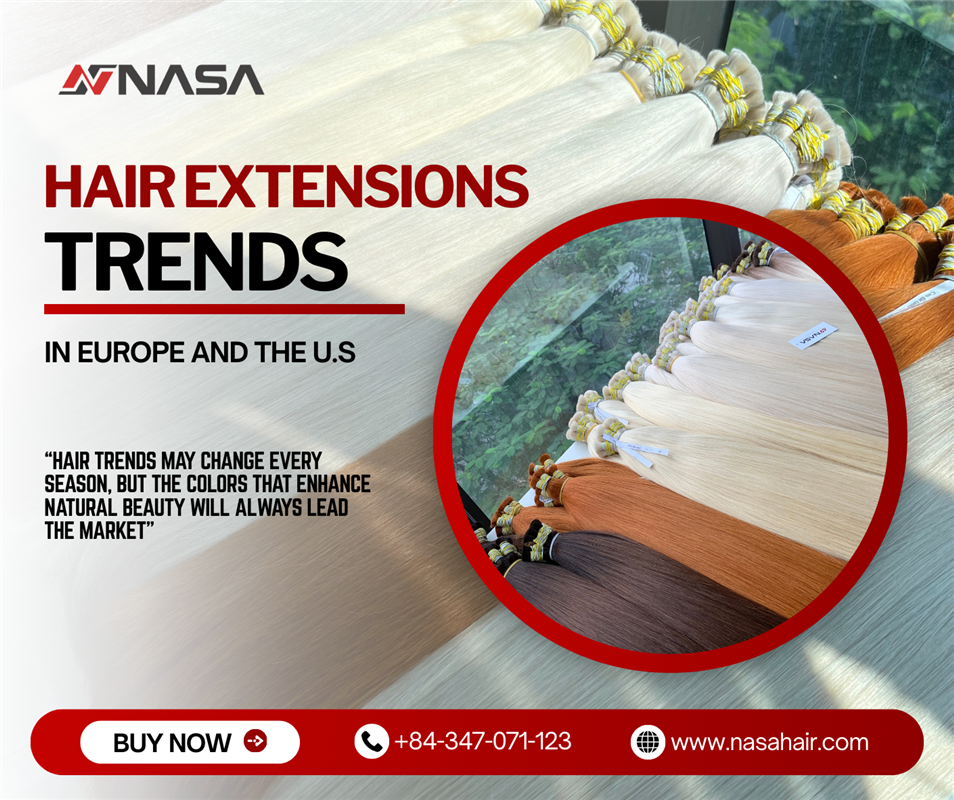
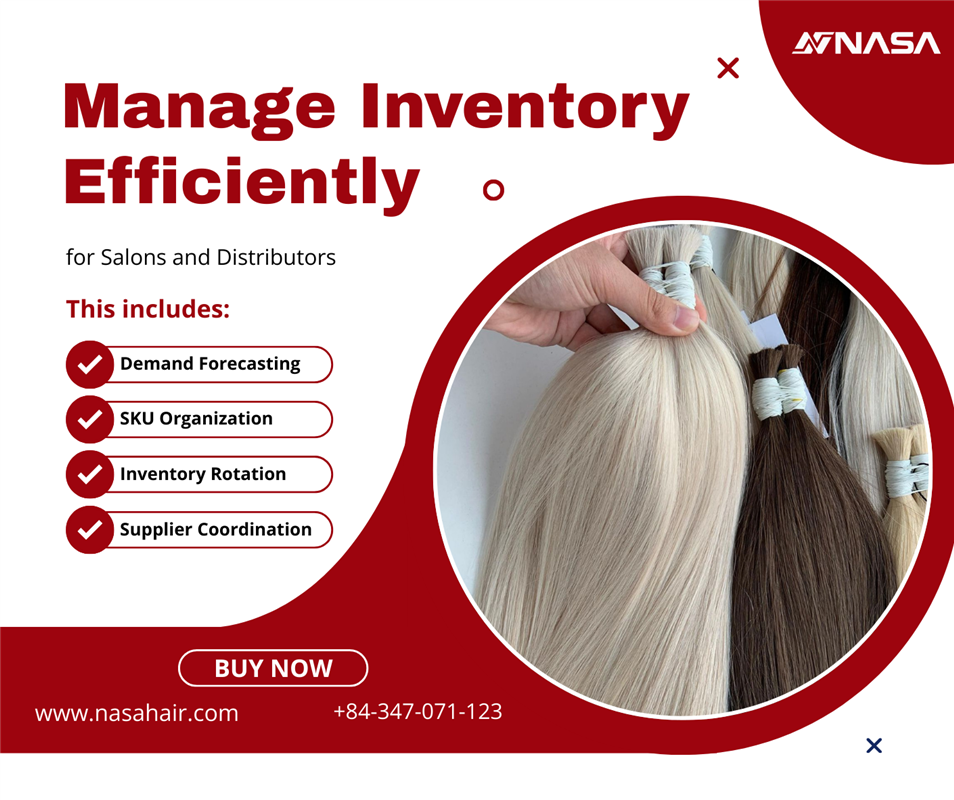
The foundation of premium Vietnamese hair lies in its origin. Hair collected in Vietnam typically comes from 2-3 donors living in rural areas where chemical hair treatments are far less common. This hair is naturally thick, strong, and rich in protein, allowing it to retain its original structure even after processing. Because the hair is collected from single donors rather than mixed sources, the strands maintain consistent texture and behavior throughout each bundle.
By contrast, regular human hair extensions are often sourced from multiple regions and more than 3 donors. The hair may already have a history of chemical treatments such as coloring, relaxing, or coating before it even reaches the factory. This inconsistency in origin leads to uneven performance, unpredictable results during styling, and a shorter product lifespan.
One of the defining characteristics of premium Vietnamese hair is its minimal chemical history prior to processing. Hair that has not been previously dyed or chemically altered retains its natural cuticle layers and internal strength. This allows the hair to respond predictably to coloring, washing, and heat styling while maintaining elasticity and softness over time.
Regular human hair extensions, on the other hand, often undergo aggressive chemical treatments early in the supply chain. Processes such as acid washing and heavy silicone coating are used to mask existing damage and create an artificial shine. While this may improve the hair’s appearance temporarily, it significantly weakens the fiber. As the coating wears off, the hair becomes dry, brittle, and prone to tangling, which directly affects salon satisfaction and client retention.
Cuticle alignment is a critical factor that separates high grade human hair extensions from standard products. Premium Vietnamese hair is processed with strict attention to maintaining all cuticles in a single direction. This process is often done manually rather than by machine to avoid mixing reversed hair strands.
Proper cuticle alignment ensures that the hair remains smooth, resistant to tangling, and easy to manage throughout its lifespan. When cuticles are aligned, friction between strands is reduced, allowing the hair to move naturally and maintain its quality even after repeated use. In lower-grade hair extensions, cuticles are frequently mixed or stripped away entirely, leading to matting and shedding once the silicone coating fades.
Another key distinction of premium Vietnamese hair is the drawing process. High grade human hair extensions are typically double drawn or super double drawn, meaning shorter hairs are carefully removed to achieve consistent thickness from root to tip. This results in fuller-looking extensions that require less hair to create volume, which is especially important for professional installations.
Regular human hair extensions are often single drawn, leaving the ends thin and uneven. This not only reduces the overall aesthetic but also forces salons to use more bundles to achieve the desired look. Over time, this increases costs for both salon owners and end clients, making low-quality hair a less economical choice despite its lower initial price.
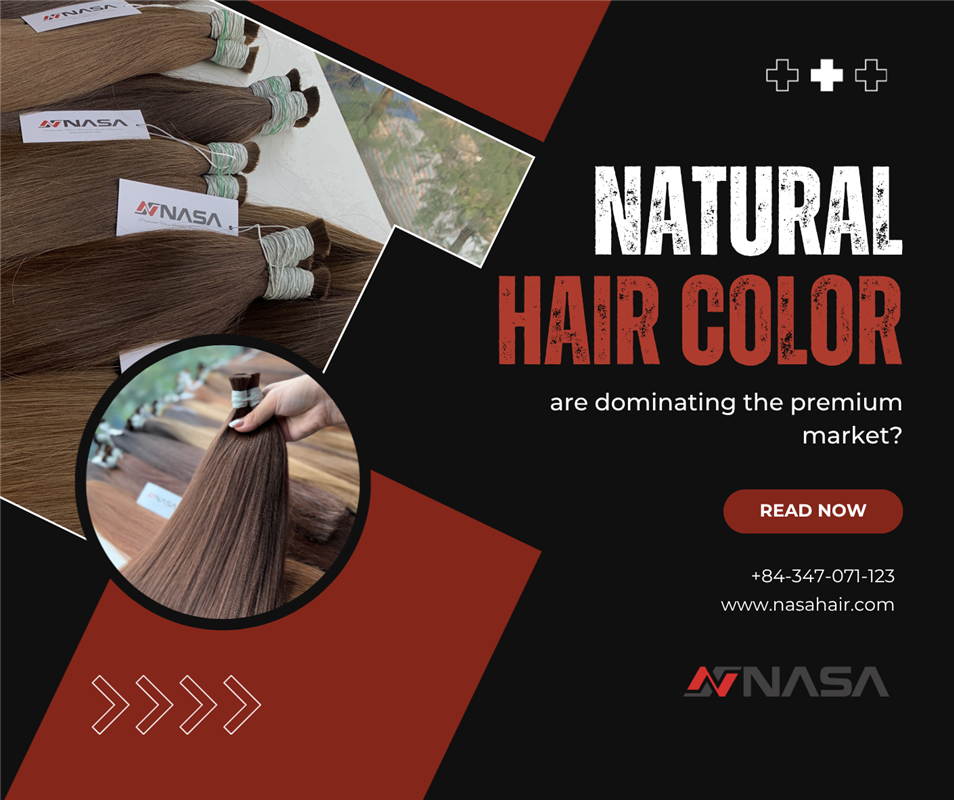
Premium Vietnamese hair is widely recognized as one of the best options for bleaching and light coloring. Thanks to its strong fiber and intact cuticle structure, the hair can lift evenly to blonde and lighter shades without excessive breakage. This predictability is crucial for salons working with ash, platinum, and beige tones that demand precision.
In contrast, regular human hair extensions often react inconsistently during bleaching. Uneven pigmentation, excessive dryness, and fiber damage are common issues, especially when the hair has been previously treated. These problems not only increase labor time but also raise the risk of client dissatisfaction.
While premium Vietnamese hair may have a higher upfront cost, it delivers superior long-term value. The hair lasts longer, performs consistently, and reduces complaints related to shedding, tangling, and color failure. For wholesalers and salons, this translates into stronger client trust, fewer replacements, and a more reliable product offering.
Regular human hair extensions may seem cost-effective initially, but frequent quality issues often lead to higher return rates and damaged brand credibility. In the competitive hair extensions market, consistency and reliability are far more valuable than short-term savings.
The difference between premium Vietnamese hair and regular human hair extensions lies not in marketing claims, but in measurable factors such as origin, chemical history, cuticle alignment, and processing standards. For professional buyers seeking high grade human hair extensions, Vietnamese hair offers a level of consistency and performance that supports long-term business growth.
At NASA Hair, every stage of production is designed to preserve the natural quality of Vietnamese hair, ensuring that each bundle meets the expectations of salons and wholesalers worldwide.
+84347071123

 French
 Russian