The beauty industry is undergoing a historic shift as consumers increasingly demand ethical hair sourcing rather than simply beautiful hair extensions. In major markets such as the U.S. and Europe, clients want assurance that the human hair extensions they purchase come from a clean, transparent, and responsible supply chain. They want proof that the hair was collected voluntarily, priced fairly, and processed without exploitation or environmental harm.
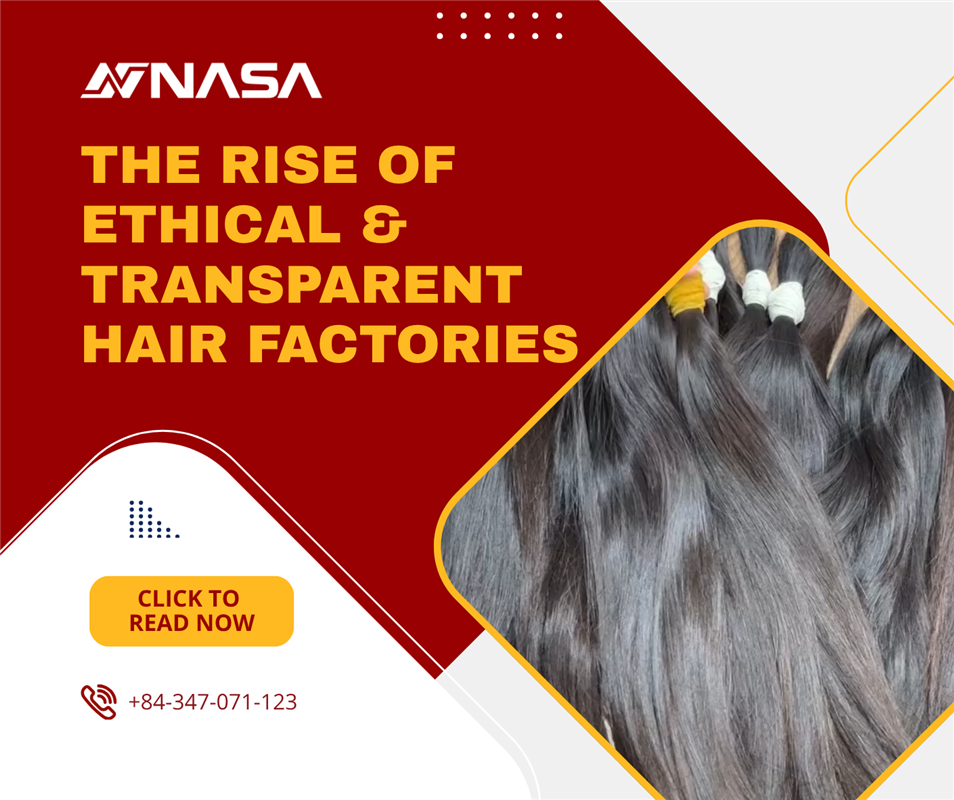
This is the reason ethical hair sourcing is no longer an optional branding angle; it has become a defining standard in the premium segment of the global hair extension industry. Among all sourcing regions worldwide, Vietnamese Hair is now emerging as the most respected and sustainable option because of its community-based, transparent, and deeply ethical practices that align perfectly with modern beauty values.
Understanding what ethical hair truly means—and why Vietnamese factories lead the movement—will help your brand build stronger trust, attract higher-value clients, and stand at the forefront of sustainable beauty.
Ethical hair sourcing refers to a responsible framework where human hair extensions are collected, purchased, and processed in ways that protect donor rights, ensure transparency, and comply with sustainability principles. It goes far beyond simply “legal sourcing.” Ethical sourcing requires full consent from the donor, fair financial compensation, and clear documentation from the moment the hair is collected to the moment it reaches the factory.
This ethical model ensures no forced selling, no child involvement, no black-market supply, and no exploitation of rural communities. It guarantees that the Vietnamese Hair collected is authentic, traceable, and handled with respect. For brands focused on clean beauty or transparency, ethical hair sourcing is a core differentiator that elevates credibility and long-term customer trust.
Ethical hair sourcing does not only protect communities; it also results in a significantly higher quality of human hair extensions. When hair is sold voluntarily, particularly in the traditional rural regions where much Vietnamese Hair originates, donors typically maintain their hair naturally without chemical treatments, frequent dyeing, or excessive heat styling.
Because the cuticles remain intact, aligned, and undamaged, ethically sourced Vietnamese Hair consistently delivers remarkable advantages such as better bleaching performance, longer lifespan, smoother texture, and dramatically reduced tangling and shedding. This level of quality is rarely achievable with non-ethical sources, where hair is often collected from waste, mixed from unknown origins, or exposed to harsh chemical processing.
With growing awareness, consumers increasingly associate premium quality with ethical origin. For modern salons and distributors, partnering with ethical suppliers minimizes risk, ensures authenticity, and protects brand integrity in a market that is becoming more transparent every year.
Vietnam is globally recognized for having one of the most naturally ethical supply systems for human hair extensions. The sourcing model is community-based, meaning that women voluntarily decide to sell their hair at fair prices, usually to support family income or education. Factories that follow strict ethical standards, such as Havina and other reputable Vietnamese manufacturers, maintain documented and verifiable procedures throughout the supply chain.
Hair donors are fully informed, pricing is fair and consistent with market standards, and underage hair is strictly prohibited. No black-market intermediaries, no unclear origins, and no mixing of hair types are allowed. Once the hair enters the factory, processing is carried out with safe, gentle methods to preserve cuticle integrity instead of the harsh acid baths common in low-quality suppliers.
This transparent model is precisely why Vietnamese Hair is considered one of the cleanest, most responsible, and most trustworthy sources for brands seeking long-term ethical partnerships.
The future of the human hair extensions market is defined by ethical hair sourcing. Governments in the U.S. and Europe are enforcing stricter import requirements, demanding proof of ethical origins and full traceability. Distributors and salon chains are increasingly rejecting suppliers who cannot verify their supply chain or who rely on hair from questionable intermediaries.
As consumers become more educated and conscious about sustainability, transparency is becoming a core expectation. Ethical sourcing aligns perfectly with clean beauty branding, eco-friendly values, and the growing demand for socially responsible luxury products. Brands that adopt ethical Vietnamese Hair early gain a competitive advantage in reputation, pricing, and customer loyalty. Those who delay face higher risks, from reputational damage to regulatory challenges.
In the long term, ethical sourcing is the only path that ensures integrity, consistency, and sustainable growth in the global hair extension industry.
Q1: What’s the difference between legal hair and ethical hair?
Legal hair meets government requirements. Ethical hair ensures voluntary selling, fair pricing, and transparent documentation throughout the supply chain.
Q2: Why is Vietnamese Hair considered an ethical source?
Because it comes from voluntary community-based selling, transparent pricing, and traceable sourcing—an ideal model for ethical human hair extensions.
Q3: Is ethical hair more expensive?
Slightly, but the quality, transparency, and brand reputation benefits far outweigh the added cost.
Q4: How can distributors verify ethical sourcing?
Request factory documentation, donor traceability records, age verification, and processing method transparency.
Q5: What are the risks of non-ethical hair sourcing?
Low quality, damaged cuticles, inconsistent textures, and significant reputational risks for brands.
7. Conclusion
Ethical hair sourcing has become the foundation of premium human hair extensions worldwide. The Vietnamese model—transparent, community-based, and deeply respectful—represents the gold standard for clean, sustainable, and responsible beauty. For brands aiming to lead the market, choosing ethically sourced Vietnamese Hair means securing a trustworthy supply chain, offering superior quality, and building genuine loyalty with conscious consumers.
The future of beauty is ethical, transparent, and sustainable. Aligning your brand with this standard will not only protect its reputation but also elevate it to the forefront of the global hair extension industry.
+84347071123

 French
 Russian